The Cultural Significance of Bacon in Different Countries
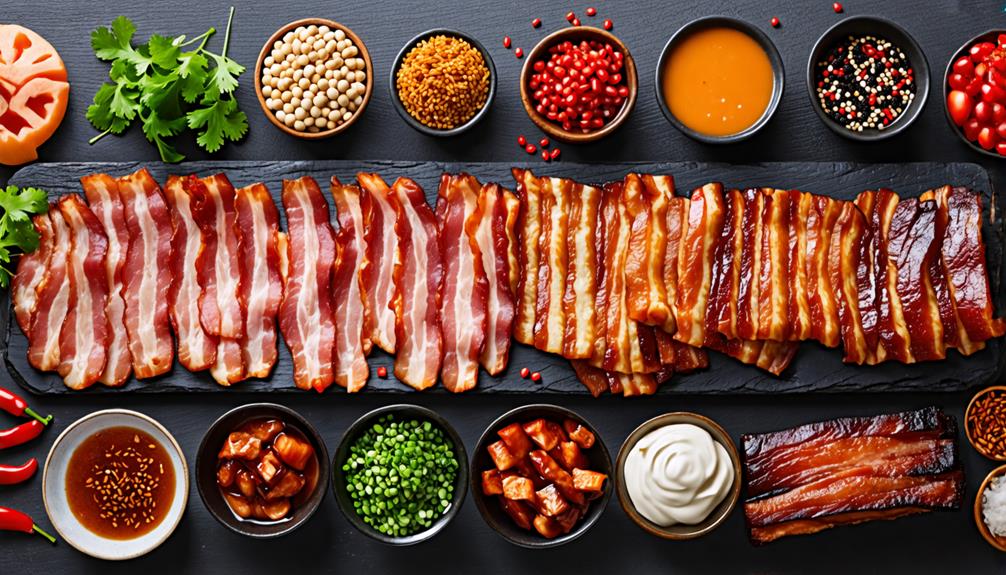
Bacon is often associated with North American breakfast plates, but its cultural significance extends much further. Each region has its own unique way of using bacon. In Asian cuisines, bacon often appears as stir-fried pork belly. European dishes feature rich, cured varieties in breakfasts and pasta dishes. Latin American stews and tacos also have their own versions.
So, how did bacon become a global culinary staple? And what makes its preparation and consumption so different across cultures? Understanding these aspects can help you appreciate the versatility and importance of bacon in various culinary traditions.
Historical Origins of Bacon
Bacon has a long history that dates back to 1500 B.C. in China, where pork bellies were first cured with salt. This early method began the tradition of bacon production, which has become a culinary staple in various cultures. The word "bacon" comes from the Old High German term "bahho," meaning "buttock." This term evolved through different languages, including English, to describe the parts of the pig used for bacon.
In ancient Rome, a similar product called "petaso" was made from boiled pig shoulder. This underscores the importance of pork in Roman cuisine. By the 17th century, "bacon" specifically referred to salted and smoked belly meat, setting it apart from other types of pork.
In 1539, Hernando de Soto introduced pigs to North America, which led to the rapid growth of the American pork industry. Bacon's cultural significance expanded, becoming a key element in both American and global cuisines. From its ancient origins to its current status, the history of bacon reflects its lasting appeal and widespread popularity in different cultures.
Bacon in Chinese Culture
Bacon has a long history, and its role in Chinese culture is unique and rich. In China, bacon is known as "lop yuk," which refers to cured pork belly. This type of bacon is a staple in many traditional dishes. The practice of curing and preserving pork dates back to around 1500 B.C., making it one of the earliest references to bacon.
Chinese bacon is made by salting and drying pork belly. Sometimes, spices and seasonings are added for extra flavor. This method not only preserves the meat but also gives it a distinctive taste that enhances many dishes. Chinese bacon is often used in stir-fries and as a topping for rice dishes.
Unlike in Western cultures, where bacon is mainly a breakfast item, in China, it is part of everyday meals. You can find it in home-cooked dishes and restaurant offerings. Bacon is also significant during festivals and special occasions when it is used to enhance festive dishes. This tradition shows the important role of bacon in Chinese culinary practices.
Bacon's Influence in Europe
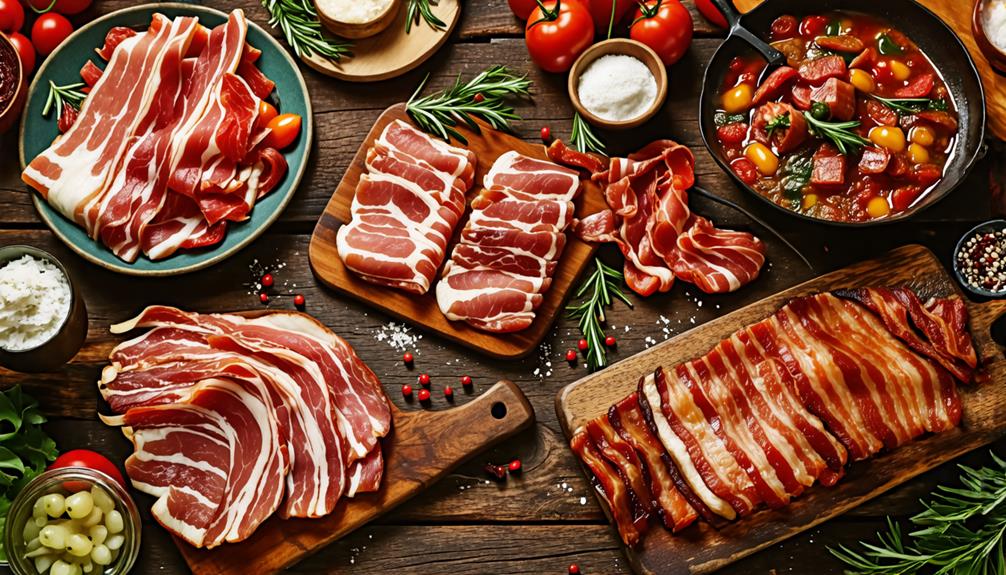
To understand bacon's influence in Europe, start by exploring the various curing techniques used across the region. Each country has its own methods and traditions. For example, the UK prefers "rashers," while Italy specializes in pancetta. Recognizing these regional differences helps you appreciate how bacon enhances European culinary heritage.
Historical Curing Techniques
The evolution of curing techniques in Europe shows a blend of tradition and innovation. These methods date back to the Roman Empire, where the preservation of pork laid the groundwork for later practices. In the Middle Ages, bacon was a key food for Anglo-Saxon peasants. Methods using salt and smoke preserved bacon without refrigeration, making it an essential protein source.
By the 16th century, "bacoun" specifically meant salted and smoked pork belly. This change marked the refinement of curing methods, producing a more defined product. The major breakthrough came in the 1770s when John Harris introduced the Wiltshire Cure. This secret brine method created a low-salt, sweet bacon, setting a new standard in England.
As pig breeding advanced, specific breeds were developed to improve bacon quality. These developments showed the importance of curing techniques in making bacon a culinary staple.
| Time Period | Key Development |
|---|---|
| Roman Empire | Early pork preservation methods |
| Middle Ages | Salt and smoke curing for preservation |
| 16th Century | "Bacoun" as salted and smoked pork belly |
| 1770s | Wiltshire Cure introduced by John Harris |
| Post-1770s | Advances in pig breeding for quality bacon |
Regional Bacon Preferences
How has bacon carved out a niche in Europe's diverse culinary landscape? This beloved meat product has adapted to various regional tastes, becoming a key ingredient in local dishes.
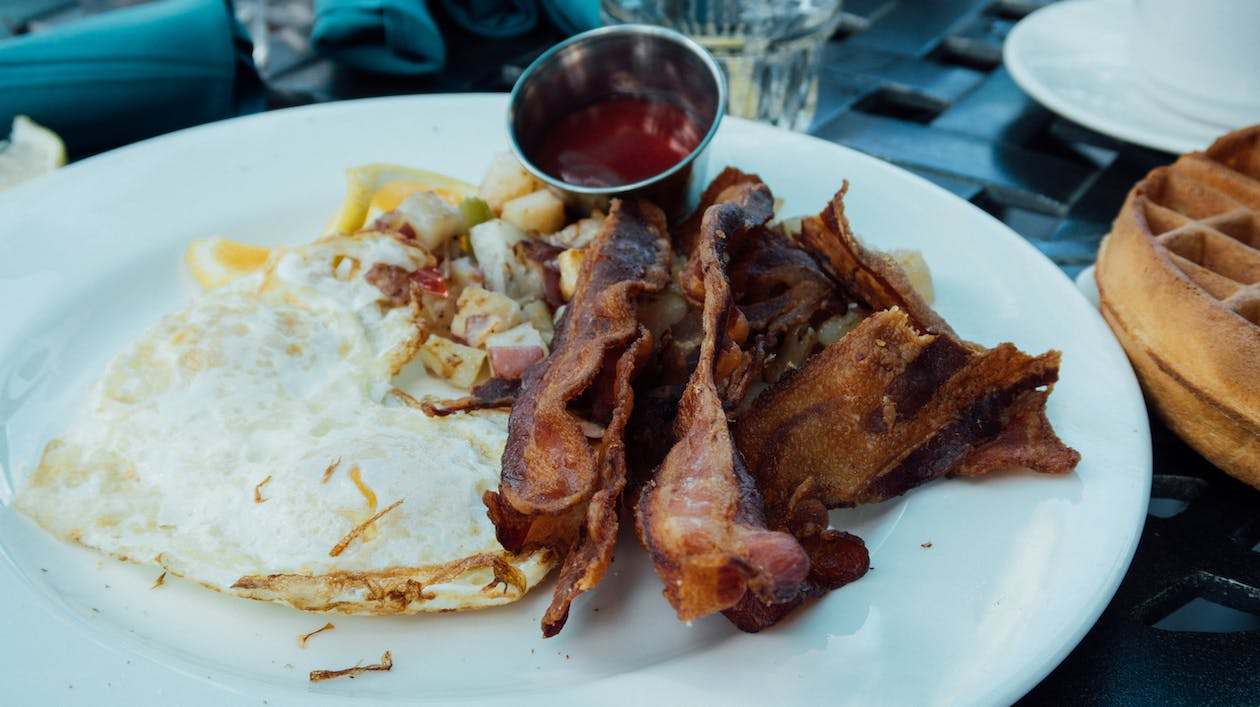
- United Kingdom: In the UK, bacon is often called "rashers" and is a staple in the traditional English breakfast. It's typically served with eggs, sausages, and baked beans, highlighting its role in daily meals.
- Germany: German "speck" is a popular type of bacon that's usually cured and smoked. It enhances dishes like potato salad and sauerkraut, adding a rich flavor rooted in German culinary traditions.
- Italy: Italy features "pancetta" and "guanciale," essential for recipes like pasta alla carbonara and amatriciana. These types of bacon reflect Italian culinary traditions and are staples in many kitchens.
- Spain: Spanish cuisine includes "tocino," a cured bacon enjoyed with bread or in tapas. The importance of cured meats in Spain is evident in how tocino enhances various dishes.
Irish back bacon, leaner and thicker than its American counterpart, also shows how regional tastes influence bacon varieties across Europe.
Cultural Bacon Traditions
Bacon is deeply embedded in European cultures. In the UK, bacon is a key part of the traditional English breakfast, which includes eggs, sausages, and baked beans. This meal highlights bacon's cultural and culinary importance in British society. The phrase "bringing home the bacon," from 12th-century England, also shows bacon's historical significance.
In Germany, bacon, or "speck," is essential in dishes like sauerkraut and potato salads. German bacon processing techniques ensure that speck retains its hearty flavor, making it crucial in German cuisine.
Italy offers various cured pork products, such as pancetta and guanciale. These ingredients are vital in classic Italian dishes like pasta alla carbonara, showing bacon's culinary significance in Italy.
In Spain, bacon is known as "panceta" and enhances the flavors of tapas and traditional dishes. This versatility demonstrates bacon's widespread impact on European culinary traditions.
Bacon in North America
When considering bacon in North America, note its transformation from a simple breakfast food to a cultural staple. With the commercialization of sliced, packaged bacon in the 1920s, it became a regular item in American households. Today, bacon is featured in many dishes and products, reflecting its ongoing popularity.
Evolution of American Bacon
Bacon did not originate in North America. Its journey here began when Hernando de Soto brought pigs to Tampa Bay in 1539, starting the American pork industry. From these beginnings, bacon has become a staple of American cuisine. The commercialization of bacon advanced significantly when John Harris established a bacon processing plant in Wiltshire in the 1770s, influencing methods in North America. By World War II, bacon's popularity had surged.
Here is a brief overview of bacon's development in America:
- Introduction of Pigs: De Soto's pigs multiplied quickly, creating a foundation for the pork industry.
- Commercial Bacon Processing: Following John Harris's methods, North America adopted advanced processing techniques.
- Post-WWII Boom: Bacon cheeseburgers and other dishes made bacon even more popular.
- Modern Bacon: Made primarily from the pig's belly, today's bacon is crispy and used in dishes like the BLT.
Today, the average American consumes nearly 18 pounds of bacon per year, with 70% eaten at breakfast. This crispy food, with deep historical roots, remains a beloved part of American culture.
North American Bacon Cuisine
Bacon has a long history in American cuisine, dating back to its introduction by Hernando de Soto. It became especially popular after World War II. Today, bacon is a breakfast staple in North America. About 70% of the bacon consumed in the U.S. is eaten at breakfast, often with eggs. The BLT sandwich, which gained popularity after World War II, is another example of bacon's place in American food culture.
The average American eats nearly 18 pounds of bacon each year. This high consumption shows bacon's strong presence in American meals. In 2013, the bacon market in the U.S. was valued at $4 billion. This includes not just bacon strips but also bacon-flavored products like bacon bits and snacks.
In Canada, breakfast often features peameal bacon, also known as Canadian bacon. This is brined back bacon, typically coated in cornmeal, which adds regional variety. Whether you prefer crispy bacon at breakfast or bacon bits on salads, bacon's influence in North American cuisine is clear.
Bacon in Latin American Cuisine
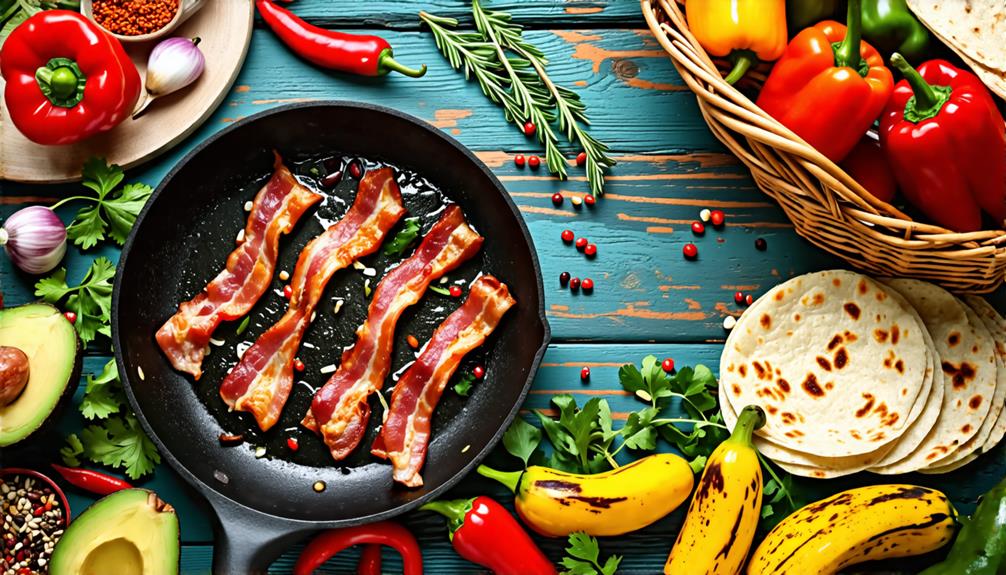
Bacon is an important ingredient in Latin American cuisine, featured in many traditional dishes that showcase its versatility and flavor. Here are some key examples:
- Tacos de Bacon (Mexico): Wrap crispy bacon in tortillas and add various toppings.
- Feijoada (Brazil): Enhance this black bean stew with chunks of bacon.
- Salchipapa (Peru): Top fried potatoes and sausage with crispy bacon.
- Bandeja Paisa (Colombia): Include bacon along with chorizo and ground beef on this traditional platter.
Bacon adds depth, richness, and comfort to these dishes, making it a valuable component in Latin American cooking.
Bacon in Asian Cuisines
Explore the use of bacon in Asian cuisines, where it appears in both traditional and modern dishes. In Chinese cuisine, bacon takes the form of "lop yuk," a cured pork belly used in stir-fries and other recipes. This ingredient highlights the important role of pork in Chinese cooking.
Japanese cuisine features "beikon," influenced by Western flavors. It appears in breakfast dishes, ramen, and as a versatile topping. This shows Japan's skill in blending international flavors with local tastes.
In Korean cuisine, "samgyeopsal" offers a unique experience. Thick slices of uncured pork belly are grilled at the table, creating a communal dining atmosphere. This dish emphasizes the social nature of Korean dining.
Vietnamese cuisine includes "thit ba chi," a marinated and grilled pork belly. It is often paired with rice or noodles and is a staple in Vietnamese street food.
Southeast Asian dishes frequently use bacon to enhance flavor. Whether in soups, stir-fries, or grilled items, variations of cured pork are common, demonstrating bacon's versatility across different culinary traditions.
Bacon in Middle Eastern Traditions
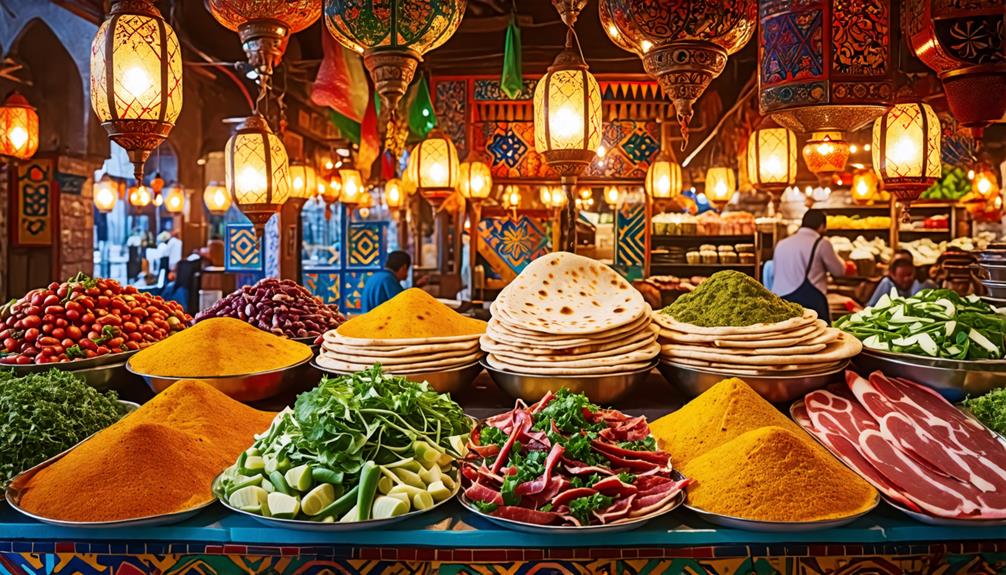
In Middle Eastern countries, Islamic dietary laws forbid eating pork, including bacon. Therefore, traditional pork bacon is mostly absent from Middle Eastern diets. However, there are alternatives available.
- Beef Bacon: This is a common substitute. Beef bacon is seasoned and cooked to taste like pork bacon. It's popular among those with dietary restrictions.
- Turkey Bacon: Turkey bacon is another option. It is leaner and often found in Middle Eastern supermarkets. People like it for its versatility in various dishes.
- Basturma: This is a type of smoked or cured lamb bacon. It is known for its rich seasoning and air-dried preparation. Basturma is a treasured delicacy in the region.
- Cultural Significance: In the Middle East, bacon does not have the same cultural importance as it does in Western countries. However, in non-Muslim communities and among expatriates, you may find bacon in fusion dishes that mix local flavors with traditional breakfast items.
If you are looking for bacon alternatives in the Middle East, consider beef bacon, turkey bacon, or basturma. These options can provide similar flavors while respecting dietary laws.
Modern Bacon Markets
The modern bacon market has transformed significantly in recent years. In the U.S., around 1.7 billion pounds of bacon are consumed annually in food service, showing its lasting popularity. This demand has led to a variety of bacon products that meet changing consumer preferences.
Gourmet bacon is a growing trend. Products like the Breakfast Bacon Bundle, priced at $54.99, cater to those who want high-quality experiences. The market now includes unique types such as Buttery Prime Rib Bacon and Corned Beef Brisket Bacon, each costing about $40.00. These artisanal options show a shift towards premium products for discerning customers.
Bacon brands build a loyal customer base by engaging with communities through newsletters and giveaways. These efforts promote their high-end bacon products and attract dedicated followers. The modern bacon market thrives by blending tradition with creativity, keeping bacon enthusiasts interested.
Global Bacon Festivals

Bacon festivals around the world attract enthusiasts who celebrate this popular food in grand style. These events highlight the cultural importance of bacon in various regions, offering a unique look into local traditions and flavors.
- Des Moines Bacon Festival: This annual event in Iowa draws thousands of bacon fans. It features bacon-themed dishes, live music, and contests. The festival emphasizes local farms and the area's history in bacon production.
- Great American Bacon Festival: Held in multiple U.S. cities, this festival includes cooking competitions, tastings from local artisans, and various bacon-infused creations. It celebrates regional flavors and brings food lovers together.
- Toronto's BaconFest: In Canada, BaconFest is perfect for bacon lovers. It highlights local chefs and vendors, offering a range of bacon dishes and products. This festival showcases the culinary creativity of Toronto's food scene.
- Bristol Bacon Festival: In the UK, this festival features bacon sandwiches, themed games, and cooking demonstrations. It focuses on local bacon production and the community's appreciation for this tasty meat.
These bacon festivals celebrate the food and the unique local production methods, making each event distinct.