Pancakes and Nutrition: Myths and Facts

Pancakes are often seen as an indulgent treat that doesn't fit into a healthy diet. However, this belief is based on common myths about carbohydrates and nutrition. By choosing the right ingredients, like whole grains and natural sweeteners, you can turn pancakes into a nutritious meal. Understanding the facts about carbohydrate myths and overcoming food guilt can change your breakfast routine. Ready to learn how to make your pancakes both delicious and healthy? Here are some tips and techniques that can help.
- Choose Whole Grains: Use whole wheat flour or oat flour instead of refined white flour. Whole grains provide more fiber, which aids digestion and keeps you full longer.
- Add Protein: Incorporate protein-rich ingredients like Greek yogurt or protein powder into your batter. This helps balance the carbohydrates and keeps your energy levels stable.
- Use Natural Sweeteners: Replace sugar with natural sweeteners like honey, maple syrup, or mashed bananas. These options have more nutrients and fewer empty calories.
- Include Fruits and Vegetables: Add fruits like blueberries or grated vegetables like zucchini to your batter. They add vitamins, minerals, and natural sweetness.
- Cook with Healthy Fats: Use a small amount of olive oil or coconut oil instead of butter. These fats are healthier and add flavor without unnecessary saturated fats.
By following these tips, you can enjoy pancakes that are both tasty and nutritious.
Fear of Carbohydrates
In today's diet culture, there's a widespread fear of carbohydrates, particularly those in grain-based foods. This fear often arises from concerns about body image and health impacts. As a result, you might avoid carbohydrate-rich foods like bread, pasta, and pancakes. However, this can lead to feelings of guilt and shame when you do indulge, which can harm your mental and physical well-being.
Restricting carbohydrates also adds stress to your life, especially in social settings. Imagine being at a brunch with friends and feeling anxious about ordering pancakes because of their carbohydrate content. This stress can make it hard to enjoy meals and connect with others.
It's important to understand that carbohydrates are essential for your body. They provide the energy needed to function throughout the day and support brain activity. Contrary to common fears, they don't inherently cause sluggishness.
To overcome this fear of carbohydrates, consider embracing intuitive eating practices. Listen to your body's needs and accept all food types. This approach can help you develop a balanced relationship with food and make choices that promote overall wellness.
Common Carbohydrate Myths
Embracing intuitive eating can help you overcome the fear of carbohydrates, but it's crucial to address common myths that perpetuate this fear. One prevalent myth is that carbohydrates are inherently bad for your health. In reality, they provide essential energy and support brain function, especially when sourced from whole, minimally processed foods. So, don't hesitate to eat carbohydrates; your body needs them.
Another widespread belief is that consuming carbohydrates leads to weight gain. However, weight management depends more on overall caloric intake and dietary balance than just the presence of carbs. Eating a balanced diet that includes carbohydrates doesn't automatically result in weight gain.
Some people think all carbs spike blood sugar levels, but whole grains and fiber-rich carbs help regulate blood sugar by providing a slow release of energy. This means you can eat carbohydrates like whole grains without fearing drastic sugar spikes.
There's also a misconception that all carbs are created equal. Refined grains may lead to health issues, but whole grains are linked to a reduced risk of chronic diseases. Complex carbohydrates, such as whole grains, improve digestive health and keep you feeling full longer due to their high fiber content.
Overcoming Food Guilt
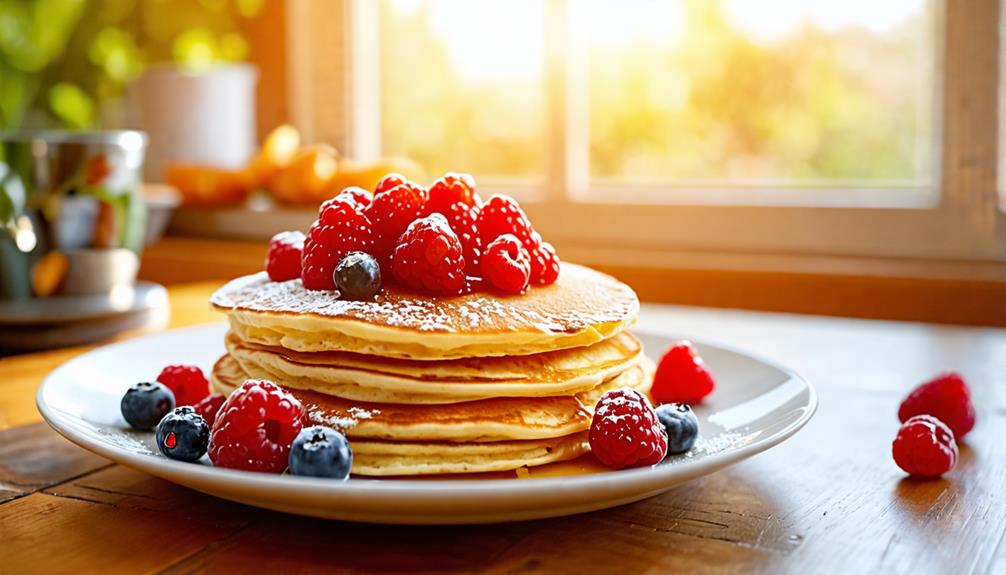
Food guilt often comes from restrictive eating patterns, especially around carbohydrates. It's important to understand its harmful effects on both mental and physical health. Feeling guilty about eating carbohydrates can lead to an unhealthy relationship with food, making mealtimes stressful and anxiety-inducing. This guilt can create a cycle of restriction and bingeing, which can harm your overall health.
To overcome food guilt, try intuitive eating. This method encourages you to listen to your body's hunger and fullness cues and to enjoy all foods without shame. Allowing yourself to eat carbohydrates without guilt can lead to a balanced and healthy approach to eating. Research shows that reducing food shame can improve mental health, making it crucial to address these negative feelings.
Seeking support from professionals, like dietitians or therapists, can also be very helpful. They can provide personalized advice to help you develop a healthier attitude toward food. Additionally, exploring resources on nutrition education and intuitive eating can offer valuable insights. By educating yourself and seeking support, you can overcome food guilt and build a positive relationship with food, including those delicious pancakes you love.
Pancake Preparation Tips
To make pancakes, start by mixing your dry and wet ingredients separately. This helps ensure an even texture and better rise. Avoid overmixing the batter; a few lumps will keep the pancakes tender. Cook them at medium heat for a golden-brown exterior without leaving the center raw.
Mixing Techniques Explained
Proper mixing techniques can make the difference between fluffy, delicious pancakes and a disappointing stack. To master pancake preparation, follow these essential tips for the perfect texture and consistency.
First, separate your dry and wet ingredients. This ensures even distribution, leading to better texture and preventing clumps. When combining them, gently fold the wet ingredients into the dry until just incorporated. Overmixing will develop too much gluten, resulting in tough, rubbery pancakes.
Hand mixing with a whisk or spoon is preferred over using an electric mixer, which can easily overwork the batter, making it dense. Use a gentle touch and leave small lumps in the batter—these will contribute to lighter, fluffier pancakes.
Whisking the liquid ingredients until bubbles form is another key technique. This improves emulsification, helping to create a well-blended batter.
Remember these three key points:
- Separate and combine with care: Mix dry and wet ingredients separately, then combine gently.
- Avoid overmixing: Stop mixing as soon as everything is just combined.
- Hand mix for best results: Use a whisk or spoon and leave small lumps in the batter.
Ideal Batter Consistency
Achieving the ideal batter consistency is crucial for making perfect pancakes. Your pancake batter should be pourable yet thick enough to hold some shape. This balance allows for an ideal rise during cooking, giving your pancakes a fluffy texture. Aim for a thickness similar to thick cake batter. Overmixing is a common pitfall, so stop once your ingredients are just incorporated. Small lumps are okay; they won't affect the final product and help avoid tough, rubbery pancakes caused by overdeveloped gluten.
If you're using alternative flours, adjust the flour-to-liquid ratio accordingly. Alternative flours often require more liquid to achieve the desired consistency. Feel free to tweak your ingredients to get that perfect batter.
Let your batter rest for at least 30 minutes. This resting period allows the flour to fully absorb the liquid and lets the gluten relax, enhancing both flavor and texture. By following these tips, you'll be on your way to making pancakes that are not only delicious but also perfectly consistent.
Proper Cooking Heat
Cooking pancakes to perfection requires managing heat effectively. Start by preheating your pan. This step is essential for achieving the right texture. To test if the pan is ready, sprinkle a few water droplets. If they dance around, the pan is hot enough.
Cook on medium heat. High heat can burn the outside while leaving the inside undercooked. Here's a quick guide to ensure your pancakes turn out just right:
- Preheat and Test: Always preheat your pan and test the temperature with water droplets.
- Medium Heat: Use medium heat to cook the pancakes evenly without burning.
- Flip Wisely: Flip your pancakes only once to ensure they are cooked through without burning.
For thicker pancakes, you will need to adjust the cooking time. They require a bit longer on the heat to cook through without burning the outside. Consistency is key—maintain even heat throughout the cooking process, especially if you're making larger pancakes. This ensures they cook uniformly, giving you a perfect golden-brown finish. Follow these tips, and you'll master the art of cooking perfect pancakes every time.
Ingredient Choices
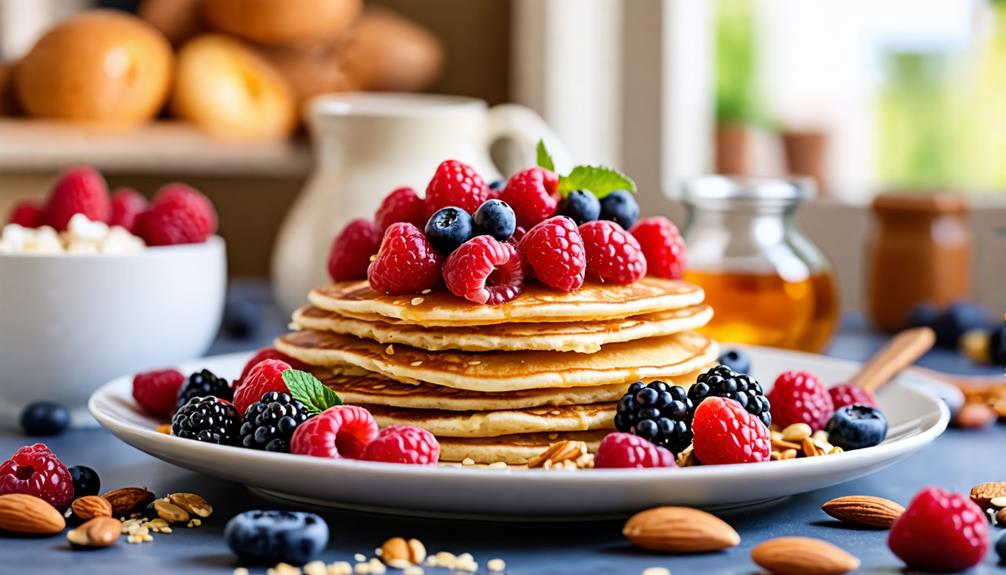
When making pancakes, choose alternative flours like whole wheat, buckwheat, or almond flour for varied flavors and nutritional benefits. Experiment with sweetener substitutes or omit sugar altogether for a savory twist. These ingredient choices can help you tailor your pancakes to fit different dietary needs and preferences.
Alternative Flour Options
Exploring alternative flour options for pancakes can enhance both their flavor and nutritional value. Whole wheat flour incorporates whole grains, increasing fiber content. This aids digestion and keeps you feeling fuller longer than traditional all-purpose flour. For a gluten-free choice, try buckwheat flour. It's high in protein and antioxidants, offering a unique, hearty taste.
If you prefer a nutty flavor, consider almond flour. It's rich in healthy fats but requires extra binding agents due to its low gluten content. Coconut flour is another gluten-free alternative. It's very absorbent, so you'll need to adjust your liquid ratios to get the right batter consistency.
Here's a quick breakdown of these flours:
- Whole wheat flour: Adds whole grains and fiber.
- Buckwheat flour: Gluten-free, high in protein and antioxidants.
- Almond flour: Provides healthy fats and a nutty flavor but needs extra binders.
Sweetener Substitutes
After selecting the ideal flour for your pancakes, the next step is choosing the right sweetener to match your taste and dietary needs. Sugar isn't mandatory; you can skip it for savory pancakes or replace it with alternatives like honey, agave nectar, or maple syrup. These substitutes vary in sweetness. For instance, honey is sweeter than sugar, so you'll need less.
If you're aiming to cut down on calories, artificial sweeteners such as stevia or erythritol are good options. They provide sweetness without extra calories, although you may need to experiment to achieve the desired flavor and texture.
Natural sweeteners like mashed bananas or applesauce are also excellent choices. They add sweetness and bring moisture and nutrients to your pancakes, enhancing the overall flavor.
To boost flavor without extra sweeteners, consider adding spices like cinnamon or vanilla extract. These can elevate your pancakes, offering a healthier alternative while still satisfying your taste buds.
Choosing the right sweetener substitutes is essential for making delicious and nutritious pancakes that fit your dietary preferences.
Pancake Cooking Techniques
Mastering pancake cooking techniques is essential for perfect, fluffy results. Focus on your batter consistency. A thicker batter can result in dense and undercooked interiors. Always separate dry and wet ingredients when mixing. This ensures even distribution and prevents overmixing, which can make pancakes tough due to excessive gluten development.
Cooking pancakes at the right temperature is key. Medium heat is ideal; high heat can burn the outside while leaving the inside raw. Preheat your pan and check the temperature by sprinkling a few water droplets. If they sizzle and evaporate, the pan is ready.
Here are some tips to enhance your pancakes:
- Rest the Batter: Let it rest for about 30 minutes. This allows the flour to absorb liquids and the gluten to relax, improving texture and flavor.
- Flip Wisely: Flip only when bubbles form on the surface and the edges look set. Don't flip too soon.
- Cook Evenly: Flip multiple times if needed to ensure even cooking throughout.