Pancake Trivia and Fun Facts for Enthusiasts
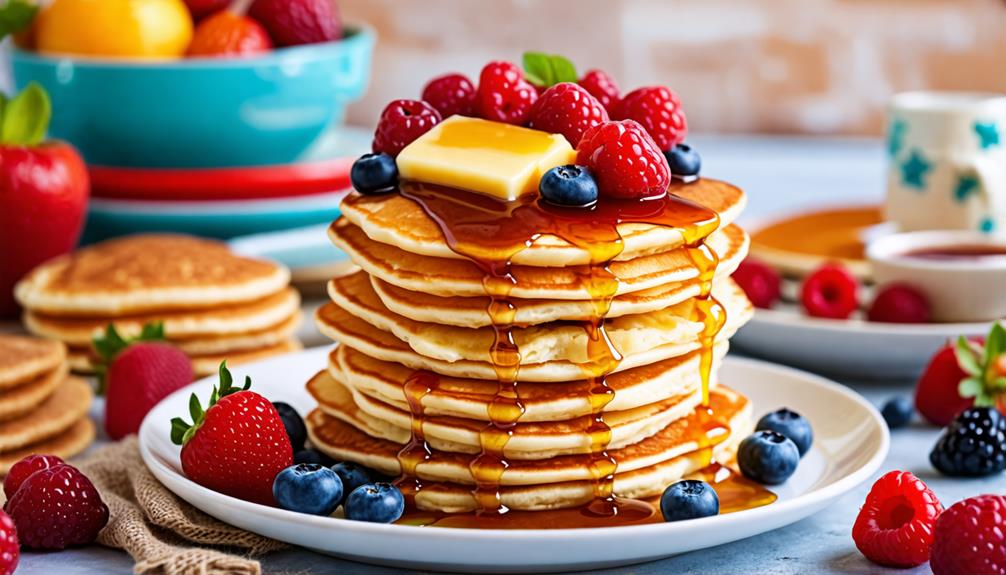
You might think you know everything about pancakes, but there's always something new to discover. Did you know the largest pancake ever made was over 49 feet in diameter and weighed 6,614 pounds? Or that the most pancakes flipped in one minute is 140 flips? These facts are just the beginning. Pancakes have a rich history and cultural significance around the world, from ancient recipes to modern-day competitions. Ready to learn more about the traditions and unique varieties that make pancakes a beloved treat?
History of Pancakes
The history of pancakes is a journey through time, starting with the Romans in the 1st Century AD, who made the earliest known pancakes called Alita Dolcia. These early pancakes show the beginnings of culinary innovation that would develop over centuries. The term "pancake" was first recorded in Middle English in the 15th century, marking its official entry into the culinary world.
William Shakespeare often mentioned pancakes in his plays, highlighting their importance during the Elizabethan period. Pancakes were not just food; they were an integral part of social and cultural life, appearing in many celebrations and daily meals. The phrase "flat as a pancake," noted since 1611, further emphasizes their common presence and metaphorical use in the English language.
For over a thousand years, eating pancakes on Shrove Tuesday has been a tradition in preparation for Lent. This practice involved using rich ingredients like eggs and milk, which were typically avoided during Lent. Understanding the history of pancakes reveals not just a food item, but a tradition and cultural touchstone that has lasted through centuries.
Common Ingredients
To make pancakes, start with essential ingredients: flour, eggs, milk, and butter. For enhanced flavor, add spices like cinnamon or vanilla extract. Using buttermilk will result in a fluffier texture. Remember to include oil or melted butter for frying; this ensures a golden brown color and crispy edges.
Essential Pancake Ingredients
Making delicious pancakes starts with getting the right mix of ingredients. The basic pancake batter includes four essential components: flour, eggs, milk, and butter. These form the foundation for many pancake recipes, each with its own twist.
Flour provides the structure for your pancakes. All-purpose flour is common, but you can also try whole grain or gluten-free options if needed. Eggs add richness and help bind the ingredients, giving your pancakes a tender texture. Milk, often used with buttermilk for its tangy flavor, moistens the mixture and ensures a smooth, pourable batter. Butter adds both flavor and a slight crispiness to the pancake edges.
Essential ingredients for pancakes:
- Flour: Gives structure and body to your pancakes.
- Eggs: Bind ingredients and add richness.
- Milk: Moistens and smooths the batter.
- Butter: Adds flavor and crispiness.
- Baking soda: Often used with buttermilk for a lighter texture.
Master these basics to achieve perfect pancakes every time.
Popular Flavor Additions
Enhancing your pancake batter with popular flavor additions can turn an ordinary breakfast into a memorable treat. Start with a basic mixture of flour, eggs, and milk. To improve this base, consider adding buttermilk; it not only enhances flavor but also makes your pancakes fluffier and richer. For a light, airy texture, include baking powder or baking soda in your mix.
Vanilla extract is a common flavor addition. A small amount will infuse your pancakes with a sweet aroma, making each bite more enjoyable. If you want a warm, aromatic flavor profile, especially during the fall, add spices like cinnamon and nutmeg. They blend well into the batter and add a comforting touch.
For extra bursts of flavor, mix in chocolate chips, blueberries, or bananas. These ingredients provide different textures and make each pancake uniquely delicious. Whether you are making breakfast for a special occasion or just a regular morning, these popular flavor additions can transform your pancakes into something extraordinary.
Cooking Oils and Fats
Choosing the right cooking oil or fat can significantly affect your pancakes' flavor and texture. Here are the key properties of each option:
- Vegetable oil: A versatile choice with a neutral flavor, suitable for many recipes.
- Canola oil: Neutral-tasting with a high smoke point, ideal for crispy edges.
- Coconut oil: Adds a subtle, sweet flavor and has a higher smoke point, great for unique pancake variations.
- Butter: Provides rich flavor and helps with browning due to its milk solids. You can also melt it and mix it into the batter for added moisture and richness.
- Olive oil: A healthier option with a distinct taste. Good for health-conscious individuals who still want tasty pancakes.
Non-stick cooking sprays are convenient for minimal cleanup. They make flipping easier and reduce the amount of fat used, helping you achieve perfect pancakes without the mess. Whatever your preference, the right cooking oil or fat can elevate your pancake-making skills.
Popular Toppings
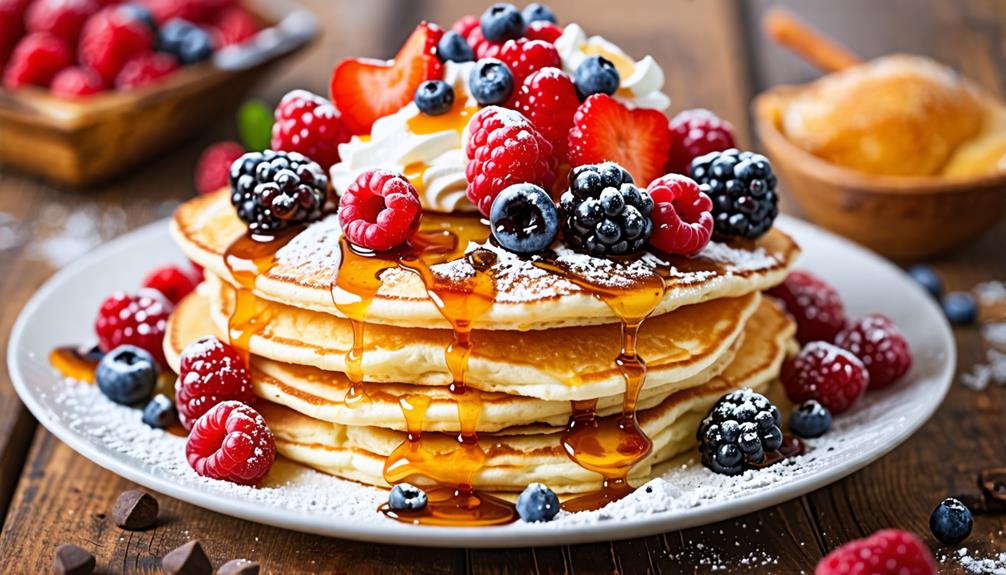
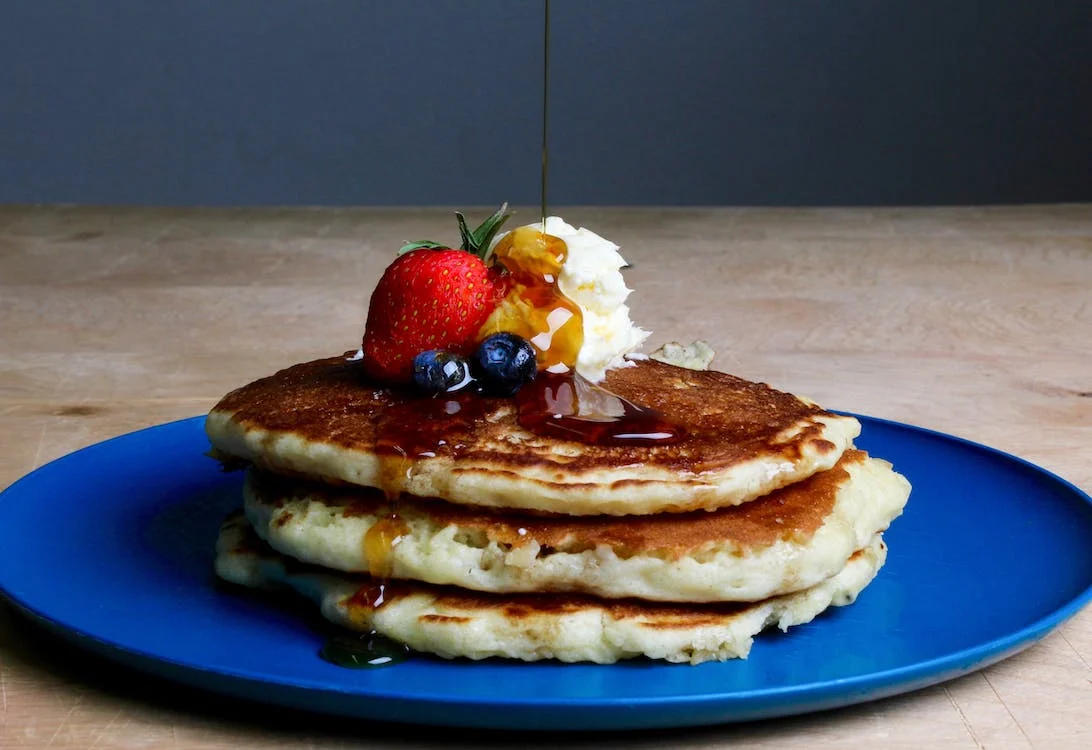
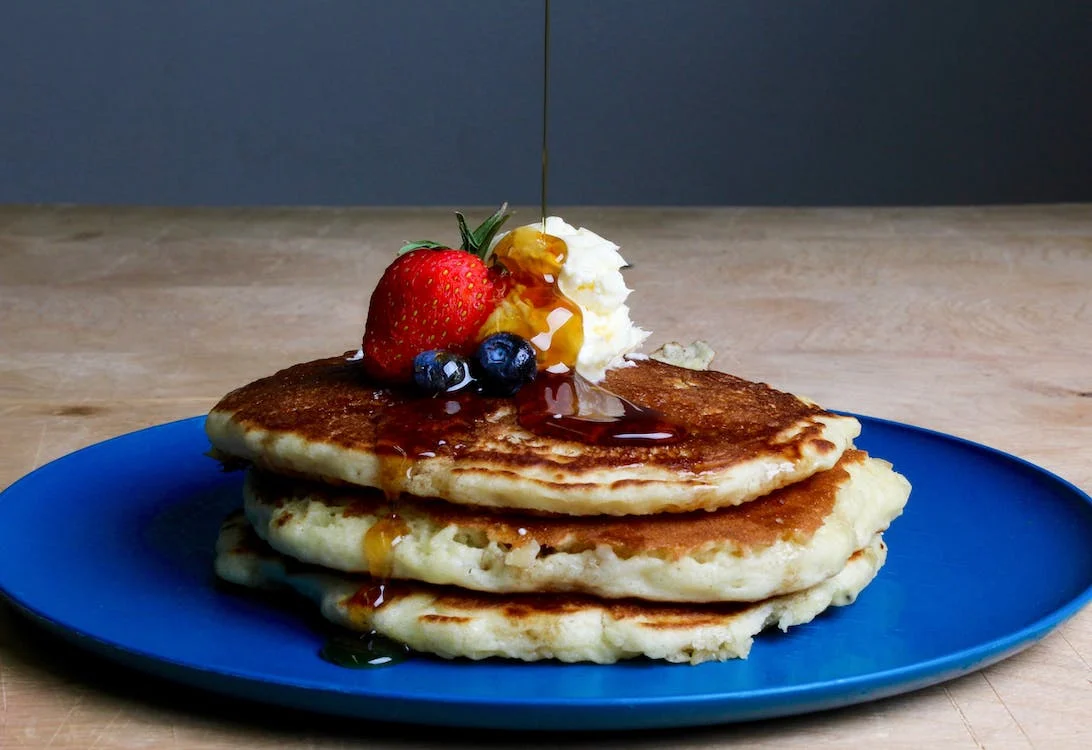
When it comes to pancakes, the toppings you choose can make a significant difference. Whether you're enjoying pancakes at a cozy breakfast spot or making them at home, the right toppings enhance the experience. Butter is a classic choice; it melts over warm pancakes, adding a rich, creamy texture.
If you prefer savory toppings, sour cream is a staple, particularly in dishes like Russian blinis. It pairs well with caviar for a luxurious touch. Maple syrup, originally a sweet drink made by the Algonquin Indians, is the quintessential topping in North America. Its sweet, amber flavor complements the fluffy texture of pancakes.
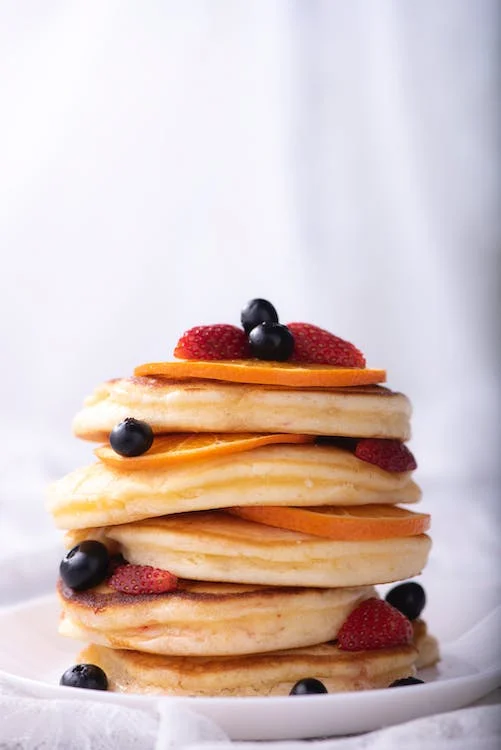
Fresh fruits are another popular option. Strawberries, blueberries, and bananas improve flavor and add color, making your pancakes visually appealing. For those with a sweet tooth, whipped cream and chocolate sauce turn pancakes into a dessert. A stack drizzled with chocolate and topped with whipped cream is indulgent. These toppings are versatile, making each pancake meal enjoyable.
Record-Breaking Feats
Let's discuss some notable pancake records. Imagine a pancake with a diameter of 15.01 meters or flipping a pancake 329 cm into the air. Additionally, 14,280 pancakes were served in just eight hours. These records highlight significant achievements in the world of pancakes.
Largest Pancake Ever
Ever wondered just how big a pancake can get? The largest pancake ever created weighed 6,614 pounds and measured over 49 feet in diameter. This colossal pancake was made in 2012 in Rochdale, England, and earned an official Guinness World Record.
Creating this record-breaking pancake required:
- 8,000 eggs
- 4,000 pounds of flour
- 3,000 liters of milk
- A specially designed 15-meter griddle
- Many hours of planning and teamwork
The event aimed to raise funds for local charities. The scale of this pancake and the effort behind it drew global attention, showcasing the creativity and ambition of pancake enthusiasts.
Cooking and flipping such a massive pancake involved complex logistics. The specially designed griddle and the teamwork required demonstrated an impressive feat of culinary engineering. This gigantic pancake shows what can be achieved when people unite with a shared goal and a love for pancakes.
Highest Pancake Toss
Record-breaking feats in pancake tossing showcase both culinary skill and physical precision. Flipping a pancake takes practice to perfect. Imagine flipping a pancake to a height of 9.47 meters (31 feet 1 inch). This impressive record was set in New York in 2010, setting a high standard for pancake enthusiasts.
Aldo Zilli holds another notable record for the highest pancake flip, reaching 329 centimeters. These achievements are part of competitive events that require skill, timing, and showmanship.
In pancake races, participants aim to combine speed with the precision needed to keep pancakes flipping smoothly. Dean Gould demonstrated his expertise by setting a record of 399 pancake tosses in 2 minutes. Pancake tossing isn't just about breakfast; it's about breaking records and challenging limits. Grab your skillet and see if you can join these pancake-tossing champions!
Most Pancakes Served
Serving pancakes can reach extraordinary levels at some events. A record was set by a team that served 34,818 pancakes in just 8 hours. This isn't just about quantity; such events also offer a visual spectacle. From pancake races to pancake towers, there are many ways to celebrate this popular breakfast item.
Consider these impressive feats:
- Highest pancake tower: In 2016, 213 pancakes were stacked to a height of 101.8 cm.
- Largest pancake: Weighing 6,614 pounds and measuring over 49 feet in diameter.
- Largest pancake breakfast: Held in Springfield, MA in 1986, attracting a massive crowd.
- Most pancakes flipped in one minute: The record stands at 140 flips.
- Pancake races: Participants show off their flipping skills while running.
These events not only break records but also bring communities together, showcasing the fun and competitive spirit surrounding pancakes. Whether you're flipping, stacking, or just enjoying a stack, pancakes can bring excitement and unity.
Global Traditions
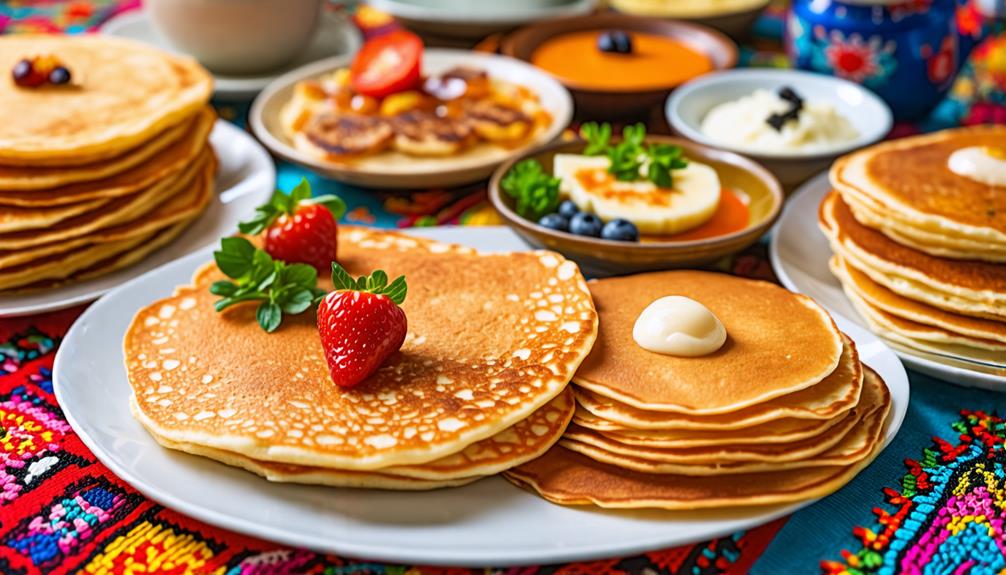
Pancakes are a popular dish globally, with each culture adding its unique twist. In the UK, Pancake Day, also known as Shrove Tuesday, features pancake races. Participants race while flipping flat pancakes, a tradition dating back to the 15th century. In Jewish communities, potato pancakes, or latkes, are essential during Hanukkah, symbolizing the miracle of the oil in the Temple.
In Sweden, pancakes are traditionally served on Thursdays, often with lingonberry jam and cream. This combination brings a sweet and tangy flavor to the meal. In Russia, blinis, made from buckwheat or wheat flour, are popular. They can be served with caviar or jam, making them versatile for festive occasions.
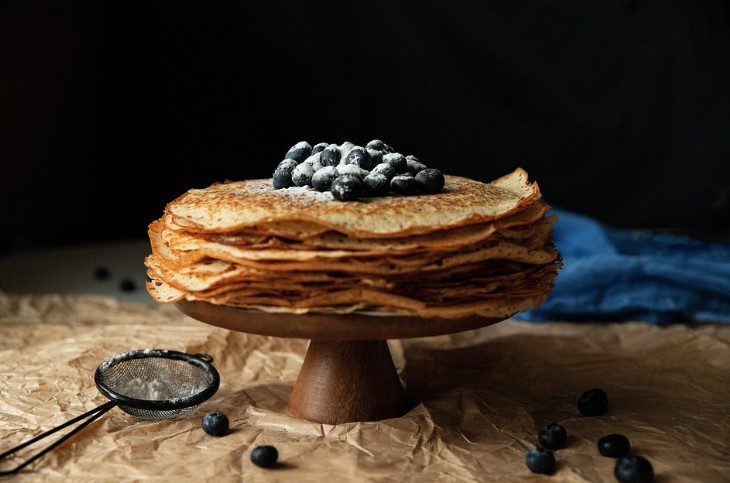
France offers crêpes, thin pancakes enjoyed both sweet and savory. One popular variation is crêpes Suzette, served with a rich orange sauce. These traditions highlight the global love for pancakes, showing how diverse and delicious this simple dish can be.
Unique Varieties
Exploring global traditions shows how versatile and popular pancakes are across different cultures. Here are some unique varieties, each with its own twist:
- Swedish Plättar: These thin pancakes are often paired with lingonberry sauce and whipped cream. They are perfect for dessert or breakfast, offering a taste of Sweden.
- French Crêpes: These flat cakes can be filled with sweet ingredients like Nutella and bananas or savory fillings like ham and cheese. They are versatile and suitable for any meal of the day.
- American Pancakes: Thicker and fluffier than other types, these pancakes are usually topped with maple syrup, butter, and extras like fruits or chocolate chips. They make a hearty breakfast.
- Russian Blinis: These small, yeasted pancakes made from buckwheat or wheat flour are traditionally enjoyed with caviar, sour cream, or jam. They offer a slightly tangy flavor.
- Israeli Latkes: These potato pancakes, typically served during Hanukkah, are crispy on the outside and soft on the inside. They are a beloved holiday dish.
Each variety showcases the diverse ways pancakes are enjoyed around the world.
Health Considerations
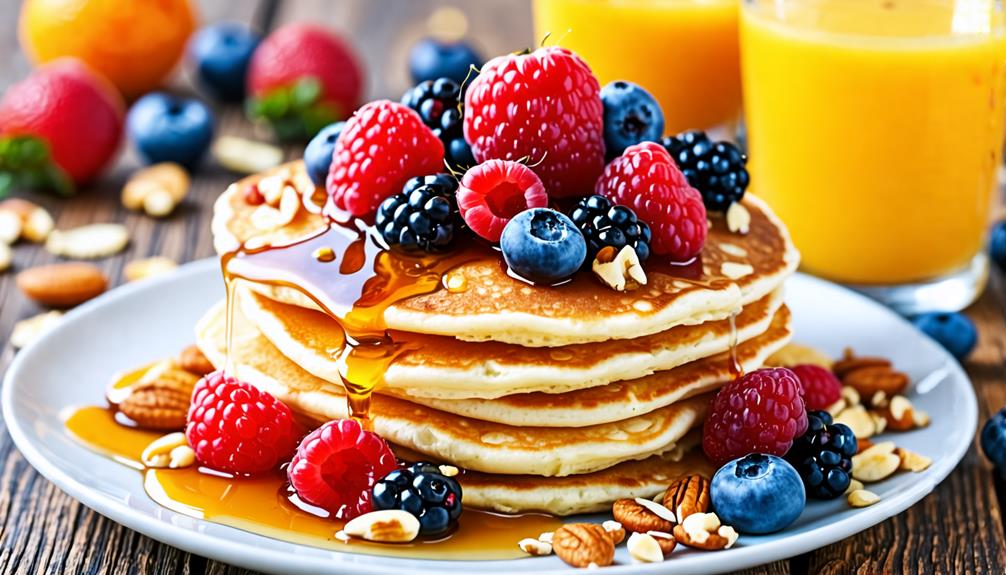
In the realm of enjoying pancakes, paying attention to health considerations can make a significant difference. One important factor is being aware of pancake syndrome, an allergic reaction caused by mites in flour. To avoid this, store your flour properly and check for signs of contamination.
Pancakes can vary widely in nutritional content. Opt for whole grain pancakes over traditional white flour ones to increase your fiber and nutrient intake. These choices help you maintain a balanced diet while enjoying your favorite breakfast treat.
For those with gluten intolerance or celiac disease, gluten-free pancakes are a great alternative. Using almond flour or rice flour, these pancakes ensure you don't miss out on delicious breakfasts due to dietary restrictions.
Portion control is key for managing calorie intake, as a single pancake can range from 150 to 300 calories depending on the ingredients. Being mindful of portions allows you to enjoy pancakes without overindulging.
Experiment with healthier toppings like fresh fruits or yogurt instead of syrup and butter. This can improve the nutritional profile of your pancakes, making them a delightful yet health-conscious choice.
Cultural References
When making mindful choices about your pancake consumption, it's interesting to see how pancakes are woven into various cultures. From literature to ancient traditions, pancakes have a significant place in many societies.
The phrase "flat as a pancake" has been in use since 1611, highlighting the long-standing view of pancakes as a symbol of flatness. But there's more to them than just their shape. For example, in Shakespeare's plays "All's Well That Ends Well" and "As You Like It," pancakes are mentioned, emphasizing their cultural relevance throughout history.
Pancakes also play a key role in Shrove Tuesday celebrations. This tradition dates back to the 16th century when people consumed rich ingredients before Lent. In the UK, approximately 134 million pancakes are eaten on Pancake Day, showing their cultural importance.
Unique events also add to this tradition. The annual pancake race in Olney, England, held since 1445, highlights the fun and competitive spirit surrounding pancakes.
- Shakespeare's plays reference pancakes.
- "Flat as a pancake" is a phrase from 1611.
- Shrove Tuesday involves eating pancakes.
- 134 million pancakes are eaten in the UK on Pancake Day.
- The Olney pancake race has been held since 1445.
These references and traditions show that pancakes are more than just a breakfast food; they are a cultural icon.