Pancake Art: Creating Edible Masterpieces
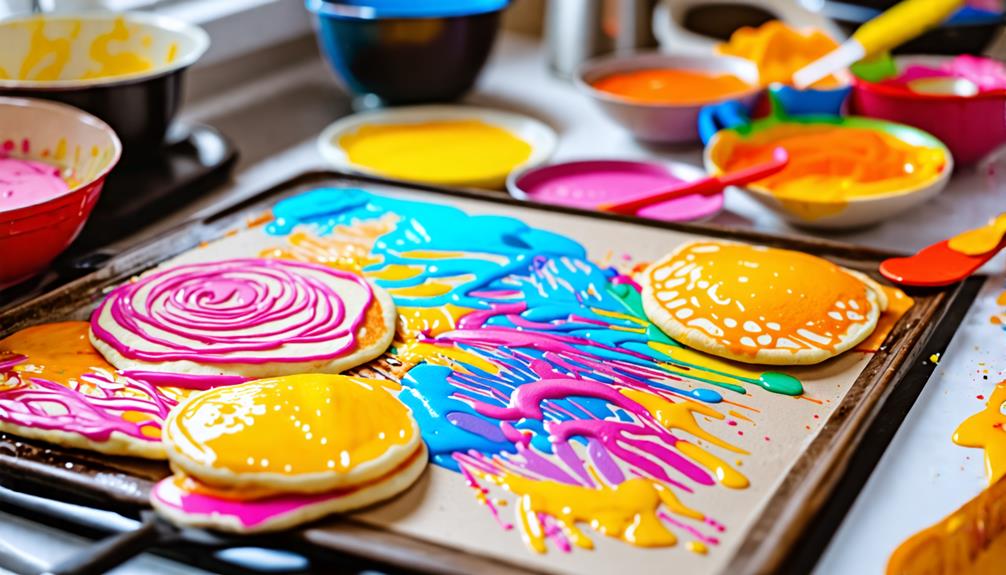
Pancake art is not just a breakfast gimmick; it's a creative way to make your meals more enjoyable. With the right ingredients and tools, you can turn a simple pancake into an edible masterpiece. Mastering techniques like layering and shading will help you bring your designs to life on the griddle. Whether you want to entertain guests or involve your family in a fun kitchen activity, the possibilities are endless. But before you start, consider what makes the perfect batter for these creations.
First, use a smooth batter with no lumps. This ensures even cooking and easy pouring. Sift your flour to remove any clumps. Mix wet and dry ingredients separately before combining them to avoid overmixing, which can make the batter tough.
Second, the consistency of the batter is crucial. It should be thick enough to hold its shape but thin enough to flow smoothly. If the batter is too thick, add a little milk or water to thin it out.
Third, use squeeze bottles for precision. These allow you to control the flow of the batter, making it easier to create detailed designs. Fill the bottles with different colors if you plan to add shades to your artwork.
Fourth, cook on a non-stick griddle set to medium-low heat. This prevents the pancakes from burning while giving you enough time to complete your designs. Use a spatula to gently lift the edges and check for doneness.
Finally, practice makes perfect. Start with simple shapes and gradually move on to more complex designs as you become more comfortable. Remember, the goal is to have fun and enjoy the process.
Ingredients for Pancake Art
To create pancake art, you'll need a few essential ingredients. First, start with pancake mix and water to make your base batter. For vibrant colors, use gel food coloring, which you can find at craft or cake stores or online.
Ensure your pancake batter is smooth and free of lumps. This consistency is crucial for the batter to flow easily from squeeze bottles, which you'll use for drawing. When mixing colors, remember that a little goes a long way. For a rich black color, mix ½ cup of batter with ½ teaspoon of black gel food coloring. Be careful not to use too much coloring, as it can make your pancakes taste bitter.
Essential Tools
To get started with pancake art, you'll need a few essential tools. First, use squeeze bottles for precise control of the batter. A non-stick griddle is ideal for larger designs, but a non-stick pan works well too. Ensure you have at least four bottles for different colors and a large spatula to flip your creations intact.
Squeeze Bottles for Precision
Using squeeze bottles makes creating detailed and intricate pancake designs simple. These tools provide precise control over the flow of batter, enabling you to create shapes and designs effortlessly. The small opening of the squeeze bottles ensures you don't release too much batter, giving you better control while drawing.
To start, have at least four squeeze bottles. This allows you to work with multiple colors, making your pancake art more vibrant and complex. Here's why multiple squeeze bottles are beneficial:
- Color Variety: Use different bottles for each color of batter to switch between colors easily without cross-contamination.
- Detailing: Multiple bottles help manage finer details in your designs, as you can use a different bottle for each specific part.
- Convenience: Having several bottles means less time refilling and more time creating.
If you don't have squeeze bottles, alternatives like piping bags or plastic bags with cut holes can work. However, squeeze bottles are preferred for their ease of use and precision. Using these tools promotes creativity, allowing you and your family, especially children, to experiment with different design ideas and color combinations.
Ideal Griddle and Pan
When creating pancake art, selecting the right griddle or pan is crucial for achieving the best results. A pancake griddle is often preferred because it provides a large, flat surface, ideal for crafting larger pancakes with intricate designs. This extra space allows for more creativity and makes flipping your designs much easier.
Non-stick pans can also work well for pancake art, but it's important to ensure they are properly greased. This step prevents your pancakes from sticking and ruining your artistic efforts. Additionally, using squeeze bottles or piping bags is necessary for better control over the batter. Keep the hole size of the squeeze bottle small to maintain precision when drawing fine details and filling in colors without overpouring.
A large pancake spatula is another essential tool. It's particularly useful for flipping pancakes with delicate designs, reducing the risk of breakage. A wide spatula can support the entire pancake, preserving your artwork as you turn it over.
Mixing the Batter
When mixing the batter for pancake art, aim for a smooth consistency. Combine 3 cups of pancake mix with 2½ to 3 cups of water until it resembles ketchup. To achieve brilliant colors, blend in gel food coloring at a ratio of ½ teaspoon per ½ cup of batter. Avoid adding too much to prevent bitterness. Use a funnel or measuring cup to fill squeeze bottles, ensuring the batter is thoroughly mixed to prevent clogs that could ruin your designs.
Achieving Smooth Batter Consistency
Creating the perfect batter for pancake art requires careful attention and patience. Start by mixing 3 cups of pancake mix with 2½-3 cups of water. Aim for a ketchup-like thickness to ensure smooth flow from the squeeze bottles. This consistency is crucial for detailed designs without lumps.
To achieve a lump-free batter, follow these steps:
- Gradual Mixing: Add water gradually to the pancake mix while stirring to prevent lumps.
- Sifting: Sift the pancake mix before adding water to eliminate clumps from the start.
- Resting Time: Let the batter rest for a few minutes, then stir again to break any remaining lumps.
To fill your squeeze bottles without making a mess, use a funnel or a measuring cup. This step helps maintain consistency and prevents spills. A smooth batter ensures that your pancake art flows effortlessly, allowing you to focus on your design.
Gel Food Coloring Tips
Adding vibrant color to your pancake art can make a big difference, and gel food coloring is ideal for this. To start, mix ½ cup of batter with ½ teaspoon of gel food coloring. This will give you bright colors without any bitter taste. For unique shades, experiment by combining different gel food colorings. This can help you create unique designs.
Ensure your batter is smooth for easy flow from squeeze bottles. This is crucial for detailed pancake art. Add water to the batter until it reaches a ketchup-like consistency. This will improve the flow and accuracy of your designs.
When filling your squeeze bottles, use a funnel or a measuring cup to avoid mess. This method allows for quick color changes during your creative process. With these tips, your pancake art will be both delicious and visually appealing. So, get your gel food coloring and start creating edible art today!
Creating Colors
Creating vibrant pancake art is easier than you might think. Start by using gel food coloring, which offers better saturation than liquid coloring. Mix ½ teaspoon of gel coloring into ½ cup of batter for bold, vivid hues like black. Ensure your batter is smooth and lump-free for an even flow from your squeeze bottle, which is essential for detailed designs.
Experimenting with colors adds a fun element to pancake art. For example, mixing yellow and blue gel food coloring will create green. This allows you to explore numerous creative possibilities and make your pancake designs more dynamic.
To begin, you'll need at least four squeeze bottles filled with different colored batters. This setup lets you add multiple shades, making your artwork more visually appealing. However, be mindful of the amount of food coloring you use, as too much can make your pancakes taste bitter.
Here are three key tips to remember:
- Use gel food coloring for better saturation.
- Ensure a smooth batter for an even flow.
- Prepare at least four squeeze bottles with different colors.
Drawing Techniques
For pancake art, start with simple shapes and outlines in dark colors. This ensures your design is clearly visible and provides a solid base for adding details later. Use squeeze bottles for precise control over the batter flow. Make sure the hole of the squeeze bottle is not too large to maintain fine details in your designs.
When creating lettering, practice reverse writing. Since you'll flip the pancakes, writing in reverse ensures the text appears correctly when served. This may take some practice, but it is essential for impressive text-based designs.
To add depth and realism, use shading techniques. Vary the amount of food coloring in the batter to create different shades. Experiment with mixing gel food colors to produce unique tones. Layer these shades thoughtfully to highlight features and create a three-dimensional effect. With these techniques, you can enhance your pancake art from simple shapes to edible masterpieces.
Cooking and Flipping
Preheat your griddle to 200°F for drawing, then raise it to 250°F once you're ready to cook. Watch for bubbles and a dull surface before flipping. Count to three to ensure perfect timing. After flipping, cook for another minute to keep your pancake art vibrant and evenly cooked.
Optimal Heat Settings
Starting your pancake art project requires careful control of heat settings to ensure your designs turn out perfectly. To achieve the best results, begin by heating your griddle to 200°F. This low temperature allows better control over the batter while drawing detailed designs, ensuring your pancake art remains crisp and clear.
Once you've completed your design, increase the heat to 250°F. This higher temperature helps cook the pancakes thoroughly while preserving the colors. Adjusting the temperature prevents the batter from spreading too much and losing its shape.
Watch for bubbles forming and a dull surface on the pancake. These signs indicate that it's ready to be flipped. Waiting for these visual cues ensures an even cook.
To summarize, follow these steps for ideal heat settings:
- Start at 200°F: Draw designs at a lower temperature for better control.
- Increase to 250°F: Cook the pancake thoroughly without compromising the design.
- Look for visual cues: Bubbles and a dull surface signal it's time to flip.
Following these steps ensures your pancake art will be as delicious as it is beautiful.
Flipping Technique Tips
For perfect pancake art, timing and technique are crucial. First, make sure your griddle is heated to 250°F. This temperature ensures the surface cooks properly and allows bubbles to form, signaling that the pancake is ready to flip. Use a large pancake spatula to flip your pancake gently, preserving the design.
After flipping, count to three. This ensures the other side cooks evenly before you remove it from the heat. Cooking slowly and at a low temperature is key to avoiding burning or discoloration, which can ruin the vibrant colors of your pancake art.
Here is a quick guide to mastering the flipping technique:
| Step | Description |
|---|---|
| Heat Griddle | Set to 250°F for proper surface cooking. |
| Bubble Formation | Look for bubbles as a sign to flip. |
| Use Proper Spatula | Use a large pancake spatula for a gentle flip. |
| Count to Three | Allow the pancake to cook evenly on the other side. |
| Cool Griddle | Let the griddle cool slightly between pancakes. |
Follow these steps for successful pancake art every time.
Ensuring Even Cooking
After mastering the flipping technique, achieving even cooking ensures your pancake art looks as good as it tastes. Start by heating your non-stick pan or griddle to 200°F. This low temperature allows your pancake art to cook slowly and evenly, preventing the colors from burning and maintaining their vibrancy.
Once you've drawn your design, increase the heat to 250°F. Watch for bubbles forming on the surface—this is your cue to flip. Ensure the surface is dull and bubbling for the best texture and doneness. Follow this guide to make sure your pancakes cook evenly:
- Heat Control: Begin at 200°F and increase to 250°F after drawing your design.
- Bubble Watch: Flip only when bubbles form and the surface appears dull.
- Timing: Count to three before flipping, then cook for an extra minute.
Count to three before flipping to avoid breaking the pancake. Use a gentle but swift motion to flip it over. After flipping, cook your pancake for another minute to ensure it's fully cooked without overdoing it. By following these steps, your pancake art will not only look stunning but also taste delicious.
Nutritional Information
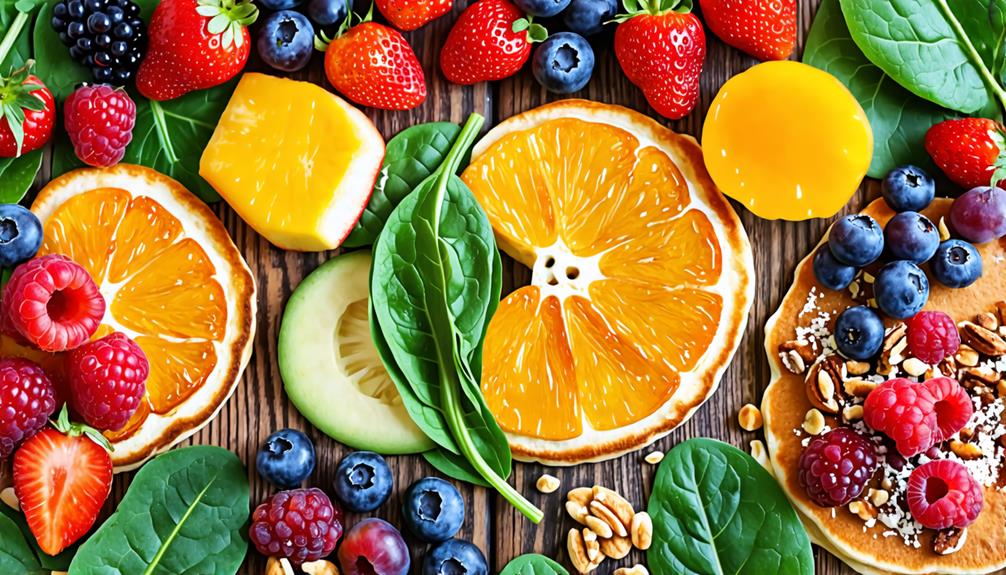
When reviewing the nutritional information of pancake art, it's clear that it is quite calorie-dense. One cup, the typical serving size, contains about 283 calories. This is important to consider if you are watching your daily calorie intake.
Pancake art is high in carbohydrates, with around 38 grams per serving. This can provide a quick energy boost, but you should monitor it if you're managing your carb intake.
In terms of protein, pancake art offers about 10 grams per serving. This protein can help you stay full longer and is essential for muscle repair and growth. However, be aware that each serving also has about 10 grams of fat, including 3 grams of saturated fat. While fats are necessary for your body, too much saturated fat can be problematic.
Lastly, pancake art contains 92 milligrams of cholesterol per serving. If you need to watch your cholesterol levels, this is something to note. Balancing these factors will help you enjoy pancake art while maintaining a nutritious diet.
Fun Recipes to Try
Explore new ways to enhance your pancake art with these creative and delicious recipes. Pancake art is not just about looks; it's also about taste. Here are some unique recipes to elevate your pancake creations:
- Brown Butter Buttermilk Pancakes: These pancakes have a rich, nutty flavor thanks to the brown butter. The added depth makes your pancake art both attractive and tasty.
- Sourdough Discard Pancakes: Use leftover sourdough starter for pancakes with a tangy twist. This method reduces waste and adds a unique flavor to your breakfast.
- Patterned Roll Cake: Blend pancake design with a traditional cake structure. This approach results in a visually impressive and delicious treat, ideal for special occasions.
Use gel food coloring to add vibrant hues to your pancake art. Encourage kids to mix their own colors to boost creativity. Whether you aim for detailed designs or just want to add color, these recipes and tips will make your pancake art stand out.
Artist Inspiration
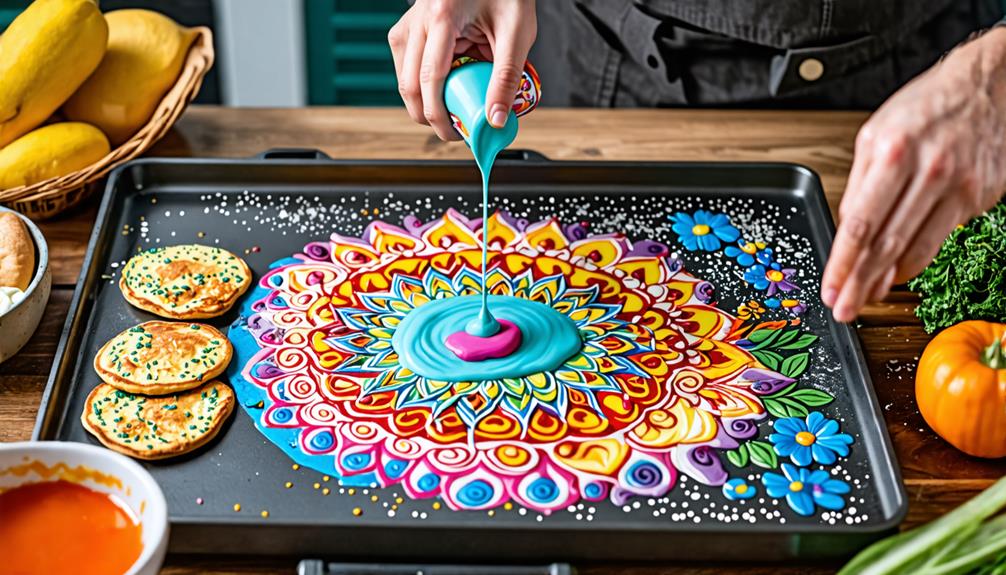
Exploring new recipes is just one aspect of pancake art. Finding inspiration from talented artists can elevate your creations. Nathan Shields, a pioneer in pancake art, began his journey in Saipan, turning pancake batter into a creative outlet while caring for his children. As a former illustrator and math teacher, Shields combines art with culinary skills.
Shields draws inspiration from various sources. He looks at current events, photographs, and subjects popular with children, like animated characters. This approach ensures his designs are engaging and educational. He emphasizes that the joy in pancake art lies in the creative process, not in perfection. This philosophy encourages children and enthusiasts to value creativity and learning over flawless results.
With over 123,000 Instagram followers, Shields showcases his pancake art and engages with his audience. His work demonstrates the limitless possibilities of pancake art and serves as a rich source of inspiration for aspiring artists. By studying his journey and creations, you can find new ways to enhance your own pancake art.
Engaging With the Community
Engaging with the pancake art community can elevate your creative path and expand your audience. Start by leveraging social media. Take inspiration from Nathan Shields, who has over 123,000 Instagram followers by sharing intricate pancake designs. The comments section on your posts is valuable for feedback and ideas, offering direction for future creations.
To connect with your audience, participate in live events. For example, showcasing your pancake art at gatherings like the 2016 White House Correspondents Dinner after-party can increase your visibility and allow real-time interaction with fans. This personal touch can solidify your presence in the community.
Metrics are also crucial. High view counts on platforms like Tasty, where videos can reach up to 2.1 million views, provide insights into what resonates with your audience.
Here are three key steps to improve community engagement:
- Share your work on social media to gather feedback.
- Participate in live events for real-time interaction.
- Analyze viewer engagement metrics to refine your content.