Kenyan Breakfast: Why Chai and Mandazi Are the Perfect Pair
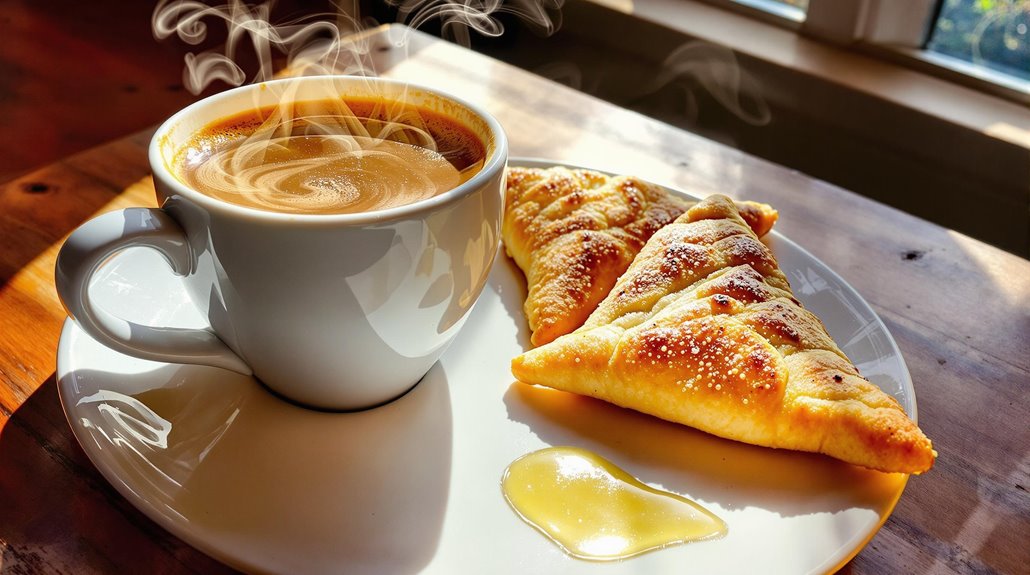
You'll find chai and mandazi at the heart of Kenya's most beloved breakfast ritual. This perfect pairing combines fragrant spiced tea with pillowy cardamom-scented doughnuts, creating a harmonious blend of flavors that's both comforting and indulgent. The aromatic chai complements the subtle sweetness of freshly fried mandazi, while embodying East African hospitality and warmth. Uncover how this cherished combination brings families together and celebrates Kenya's rich culinary heritage.
The Cultural Significance of Kenya's Morning Ritual
Nearly every Kenyan morning begins with the comforting ritual of sipping hot chai while enjoying freshly fried mandazi. You'll find this cherished tradition transcends social classes and brings families together at the breakfast table before they start their busy days. Unlike Western culture's rushed coffee-to-go habit, Kenyan chai ceremonies represent a moment of pause and connection.
In African culture, sharing morning tea isn't just about the beverage – it's an expression of hospitality and community. Whether you're visiting a humble rural home or a modern city apartment, you'll be welcomed with a steaming cup of chai and warm mandazi. This morning ritual has become so deeply woven into Kenya's social fabric that it serves as a daily reminder of the country's values: warmth, generosity, and the importance of starting each day by nurturing relationships. Much like the domestic life scenes depicted throughout art history, these cherished breakfast moments create an intimate atmosphere of calm and connection.
Mandazi: The Art of Making East African Doughnuts
The mouthwatering aroma of mandazi wafts through Kenyan kitchens each morning as skilled hands convert simple ingredients into these beloved East African doughnuts. You'll find that crafting the perfect mandazi begins with a harmonious blend of flour, sugar, and fragrant cardamom, nourished with creamy coconut milk to create a supple dough.
Once you've mixed these ingredients, you'll roll the dough into circles and cut them into triangular shapes before they're ready for frying. Watch as they evolve in hot oil, puffing up to achieve that coveted pillowy texture and golden-brown exterior.
Whether you're enjoying them with a steaming cup of spiced chai or savoring them on their own, these versatile treats perfectly exemplify the Swahili coast's rich culinary heritage. Like roti jala in Malaysia, mandazi holds special significance at cultural celebrations and festive gatherings.
Crafting the Perfect Cup of Kenyan Chai
While mandazi offers the perfect companion to breakfast, conquering Kenyan chai brings this morning ritual to life. To craft authentic Kenyan chai, you'll need strong black tea as your base.
Start by boiling water with crushed cardamom pods, then add your tea leaves and let them steep until the liquid turns a rich amber color. Next, pour in whole milk until the chai reaches a creamy tan shade. Let it simmer gently, stirring occasionally to prevent the milk from forming a skin on top.
You'll know it's ready when the aroma of spices fills your kitchen and the tea has a silky-smooth consistency. Don't forget to strain the mixture before serving - you want your chai perfectly smooth to complement your freshly made mandazi. This morning combination rivals the popularity of ancient griddle cakes that sustained communities across cultures for millennia.
The Essential Spices That Define These Breakfast Staples
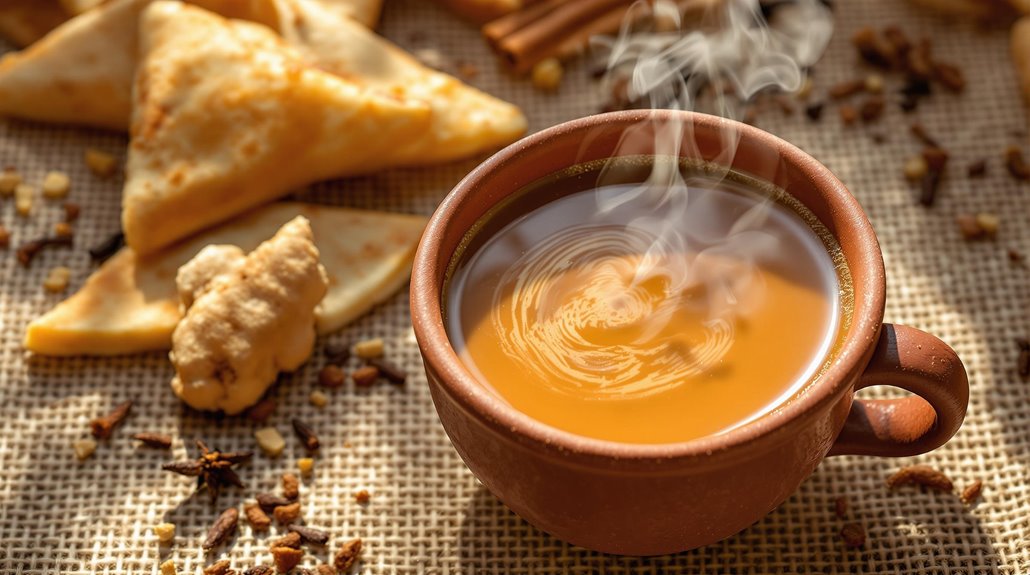
Both mandazi and chai rely on a signature blend of aromatic spices that create their distinctive East African flavors.
In traditional Kenyan cuisine, you'll find that chai incorporates warming spices like cinnamon, ginger, and a hint of cardamom, which give the tea its substantial and comforting character. The spices not only add depth but also provide various health benefits that have made this drink a daily staple.
Mandazi, on the other hand, features a slightly sweet profile enhanced by ground cardamom and sometimes nutmeg. You'll notice these triangle-shaped doughnuts have a subtle spice complexity that sets them apart from typical Western pastries.
When you pair these two breakfast items, the spices complement each other perfectly - the bold flavors of the chai balancing the delicate sweetness of the mandazi.
Mastering the Traditional Preparation Methods
Preparing authentic Kenyan breakfast requires commanding two distinct cooking techniques - the art of deep-frying perfect mandazi and brewing rich, spiced chai.
To make mandazi, you'll need to knead your dough thoroughly until it's smooth, then let it rest for 30 minutes. Roll the dough on a floured surface and cut it into your preferred shapes. Deep-fry until golden brown, and if you'd like, dust with powdered sugar.
For the perfect chai, combine milk to create a creamy base with water, then add your black tea and spices. The key is allowing the cinnamon and cardamom to infuse fully while the mixture boils. Let it steep until it reaches your desired strength. These preparation methods, when proficient, yield the quintessential Kenyan breakfast experience that's cherished in homes across the country.
Regional Variations Across Kenya
Although Kenyan breakfast staples remain consistent throughout the country, you'll find distinct regional twists that reflect local tastes and available ingredients. Along the Swahili coast, you'll uncover mandazi made with coconut milk and cardamom, giving them a richer, more aromatic profile.
In contrast, the inland regions often prepare a simpler version using local spices and less expensive ingredients.
The chai preparation varies too, with coastal areas incorporating more East African spices like cloves and cinnamon, while rural highland communities might brew theirs stronger to combat the morning chill. You'll observe regional variations in accompaniments as well - coastal regions pair their breakfast with fresh tropical fruits, while in other areas, you might find your chai and mandazi served alongside roasted groundnuts or local root vegetables.
Health Benefits and Nutritional Value
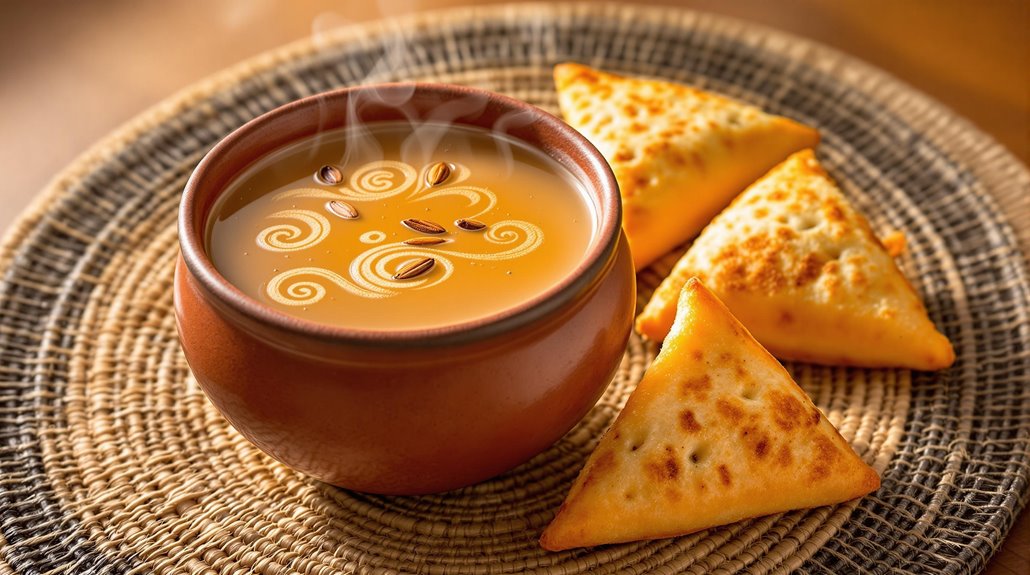
Beyond their cultural significance, the pairing of chai and mandazi offers substantial health benefits that augment their appeal as a breakfast choice. You'll find that mandazi, typically prepared with vegetable oil, provides essential carbohydrates for quick energy, while its subtle sweetness satisfies your morning cravings without overwhelming sugar content.
The coconut milk used in traditional mandazi recipes adds beneficial fats that support your body's nutritional needs. When you pair this with Kenyan chai, you're getting a powerful combination of antioxidants from black tea and anti-inflammatory compounds from spices. The milk in chai further bolsters the nutritional profile, making this duo an excellent choice for improving your digestion, heart health, and immune system function.
Tips for Pairing and Serving Like a Local
Many local Kenyans follow time-honored customs when serving chai and mandazi that enhance the entire breakfast experience. You'll want to serve your chai in a hot cup while the mandazi is still warm and golden brown. This classic breakfast item pairing creates the perfect balance of sweet and spicy flavors.
To serve like a local, remember these essential tips:
- Pour the chai tea into small ceramic cups, never filling them to the brim
- Place mandazi on a shared plate in the center of the table for communal eating
- Dip your mandazi briefly in the chai before taking a bite
- Keep the teapot nearby for quick refills, as Kenyans often enjoy multiple cups
The key is creating a relaxed, social atmosphere where conversation flows as freely as the chai.