Is Aunt Jemima Real Maple Syrup?

Aunt Jemima syrup isn't real maple syrup at all - it's actually made primarily from corn syrup and high fructose corn syrup. You won't find any natural tree sap in this popular breakfast staple, as it relies on artificial ingredients, colors, and flavors to mimic maple syrup's taste. While this makes it a more affordable option, you'll find significant differences in both nutrition and flavor compared to pure maple syrup. The full story behind this iconic brand reveals even more surprising facts.
What's Really in Aunt Jemima Syrup
The ingredients in Aunt Jemima syrup might surprise you if you're expecting real maple. Instead of containing pure maple sap from trees, this popular breakfast syrup is primarily made from two forms of processed sweeteners: corn syrup and high fructose corn syrup. These ingredients have been part of the recipe since the 1970s.
What you're actually pouring over your pancakes is a mixture of artificial ingredients, including water, cellulose gum for thickening, and caramel color to give it that fake maple appearance. There's not a drop of real maple syrup to be found in the bottle. While it may taste sweet and look similar to genuine maple syrup, Aunt Jemima's product is entirely manufactured using synthetic ingredients rather than natural tree sap. For those seeking healthier alternatives with fewer calories and carbs, sugar-free maple syrups typically contain only 15-32 calories per serving while still maintaining that beloved maple taste.
The History Behind the Brand
Founded in 1889, Aunt Jemima emerged as one of America's most recognizable breakfast brands, though its origins reflect a troubling chapter in U.S. history.
The brand, which began as a pancake mix and syrup company, didn't offer real maple syrup but rather created products that relied on problematic marketing. When Quaker Oats acquired the brand in 1926, they continued using the controversial image of an African American woman based on racist stereotypes and a romanticized view of servitude from the slavery era.
While the company updated the image over the decades, the brand remained a source of criticism for perpetuating harmful racial stereotypes. In 2020, amid a national conversation about racial justice, Quaker Oats finally announced the retirement of both the Aunt Jemima name and imagery. The timing of this change coincided with the growing popularity of authentic maple syrup toppings that had become a standard pancake accompaniment since the 1880s.
Pure Maple vs. Artificial Syrup
While the brand's history reveals complex social issues, understanding the fundamental differences between pure maple syrup and artificial alternatives like Aunt Jemima helps consumers make informed choices.
When you're watching your calories a day, you'll find that pure maple syrup offers more nutritional benefits. It's a natural source of manganese and riboflavin, with a lower glycemic index compared to regular sugar. In contrast, Aunt Jemima's syrup is primarily made from corn syrup and high fructose corn syrup, offering little nutritional value.
You'll also appreciate maple syrup's versatility. Beyond breakfast, it enhances baked goods and savory dishes. Sustainably produced in Quebec, which makes 72% of the world's supply, pure maple syrup represents an environmentally conscious choice. Meanwhile, Aunt Jemima remains limited to basic breakfast applications and relies on processed ingredients.
The authentic maple syrup production process requires cold nights and warm days during the sap season to achieve optimal sap flow from maple trees.
Nutritional Comparison
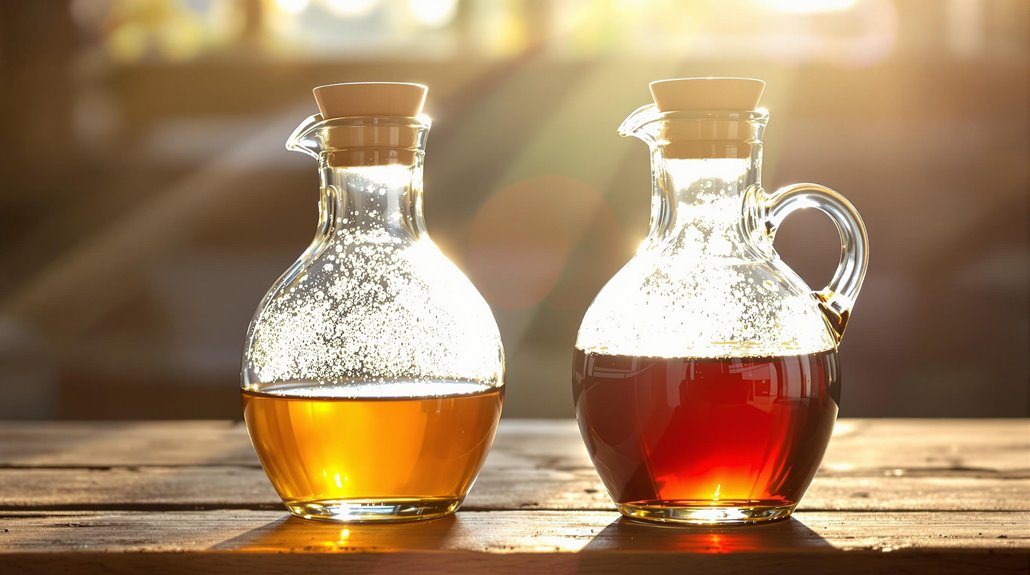
Understanding nutritional differences between Aunt Jemima and pure maple syrup reveals stark contrasts in their health impacts. When you're drizzling syrup on your pancakes and waffles, you'll get 210 calories and 32g of sugar per serving from Aunt Jemima, which primarily consists of corn syrup and high fructose corn syrup. These processed sweeteners make it a less healthy choice for your breakfast table.
In contrast, pure maple syrup offers better nutritional value with its lower glycemic index, meaning it won't spike your blood sugar as dramatically. You'll also benefit from essential nutrients like manganese and riboflavin that aren't found in Aunt Jemima's artificial alternative. While both products sweeten your breakfast, maple syrup's natural origins and nutritional profile make it a healthier option for your morning meal.
Improving Aunt Jemima's Flavor
Several simple additions can alter ordinary Aunt Jemima syrup into a more flavorful breakfast companion. You'll find that melting butter into the syrup creates a richer consistency while enhancing its taste.
For an aromatic amplification, try adding a few drops of vanilla essence, which brings depth to the syrup's flavor profile.
If you're preparing French toast, consider mixing the syrup with white porto for a sophisticated twist. When you're looking for a smoother texture, blend in some agave nectar - it'll thin out the consistency while maintaining sweetness.
You can even incorporate this syrup into your baking routine, using it as a sweetener to add unique flavor to various baked goods. These modifications reconstruct the basic syrup into a more versatile ingredient for your kitchen.
Alternative Syrup Options
Pure maple syrup stands out as the premier alternative to Aunt Jemima's artificial blend. When you're looking for real maple syrup, you'll find exceptional options from Vermont, the largest U.S. producer, and throughout New England and the Midwest.
Specialty producers like Runamok Maple offer unique infused, smoked, and barrel-aged varieties, while Finding Home Farms creates distinctive rye barrel-aged syrup.
You can use these authentic syrups in countless ways beyond breakfast. They're perfect for BBQ glazes, cocktails, roasted vegetables, and smoothies. Plus, real maple syrup offers health benefits with its manganese, riboflavin, and lower glycemic index compared to sugar.
Culinary Uses and Applications
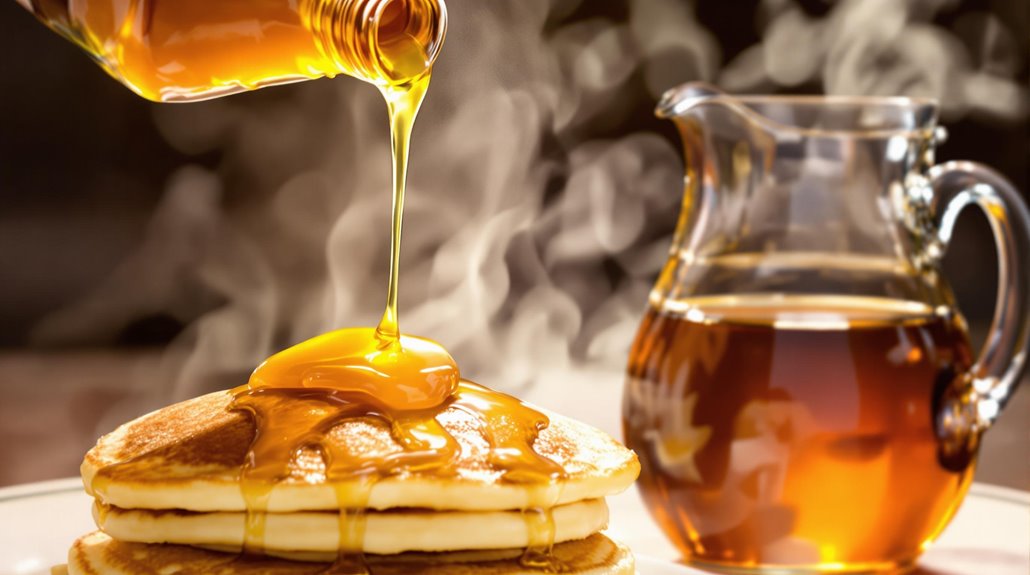
While Aunt Jemima syrup isn't a natural maple product, it's versatile enough for multiple culinary applications. You can drizzle it over your favorite breakfast treats like pancakes, waffles, and French toast to add sweetness to your morning meal. Make sure to try mixing it with melted butter or vanilla essence to enhance its flavor profile.
For a more refined touch, you can combine the syrup with white porto to create a sophisticated topping for French toast. If you're interested in baking, you'll find that thinning out the syrup makes an excellent sweetener for muffins and quick breads. You can also create a healthier version by mixing it with agave nectar, giving you a more nutritious alternative without sacrificing sweetness.
Health Considerations
Despite its sweet taste and versatility in recipes, Aunt Jemima syrup raises important health concerns you should know about. The product's main ingredients - corn syrup and high fructose corn syrup - can negatively impact your health when consumed regularly. Research has linked excessive consumption of these ingredients to an increased risk of obesity, type 2 diabetes, and other chronic health conditions.
You'll find healthier alternatives in pure maple syrup, which offers natural nutritional benefits including manganese and riboflavin. It also has a lower glycemic index than regular sugar, making it a better choice for managing blood sugar levels. While Aunt Jemima might be less expensive, choosing pure maple syrup supports sustainable agriculture and provides better nutritional value for your overall health and wellness.
Syrup Production Methods
The production methods for Aunt Jemima and real maple syrup couldn't be more different. While Aunt Jemima's syrup is manufactured using corn syrup and high fructose corn syrup in industrial facilities, real maple syrup requires sustainable harvesting practices and traditional production techniques.
You'll find that authentic maple syrup production is a precise process that begins in the northeastern forests of North America. It starts with carefully tapping maple trees during early spring to collect their precious sap. Producers then boil down this sap through a time-intensive process, where it takes many gallons to create just one gallon of pure syrup. The timing of the harvest affects the final product, with early spring yields producing lighter, more delicate flavors, while later harvests result in darker, more substantial syrups.
Brand Evolution and Changes
Since its introduction in 1966, Aunt Jemima syrup has undergone significant changes in both its recipe and branding. The most notable recipe change came in the 1970s when high fructose corn syrup became a primary ingredient, shifting away from earlier formulations.
Beyond recipe adjustments, branding considerations have led to major metamorphoses in the product's identity. You'll notice the brand's imagery evolved from its problematic origins depicting an enslaved Black woman to more modern representations over the decades.
However, continued criticism over the perpetuation of racist stereotypes ultimately led Quaker Oats to announce the retirement of the Aunt Jemima brand in 2020. This decision reflected growing awareness of how historic brand imagery can reinforce harmful cultural stereotypes, prompting the company to reconsider its market presence and social responsibility.