How Pancakes Became Synonymous With Shrove Tuesday
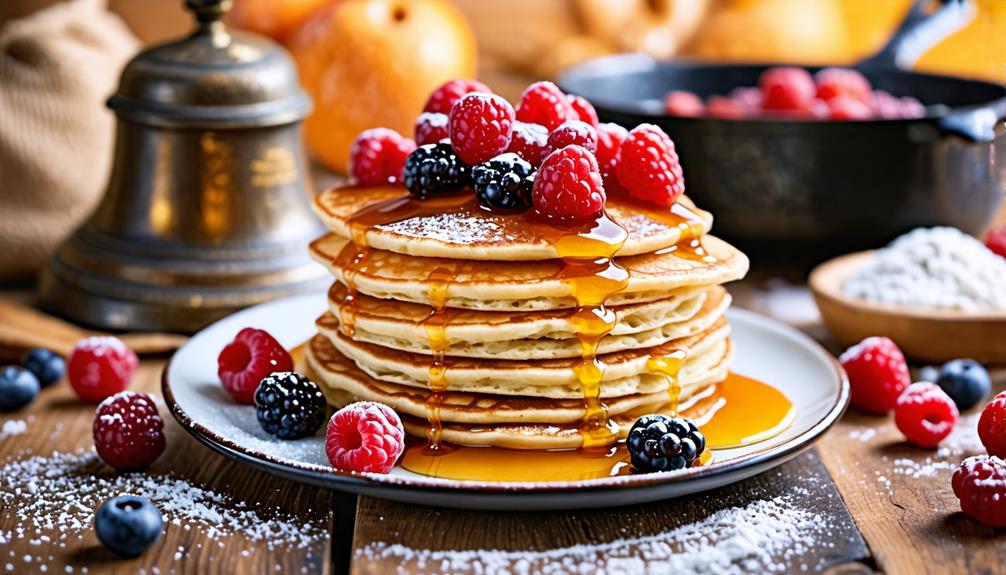
Pancakes are closely tied to Shrove Tuesday due to a tradition that began centuries ago. Households needed to use up rich ingredients like eggs, milk, and sugar before Lent, a period of fasting. This necessity turned into a tradition, making it a communal celebration. But how did this lead to pancake races and variations like Swedish semla buns? To understand, we need to look at how practical actions evolved into festive customs.
Origin of Shrove Tuesday
Shrove Tuesday gets its name from the word "shrive," meaning to confess one's sins. It's a day rooted in Christian tradition, marking the final chance for confession before Lent starts on Ash Wednesday. The day emphasizes repentance and seeking forgiveness to prepare spiritually for Lent.
On Shrove Tuesday, you might hear church bells, known as the "shriving bell," calling people to confess their sins. While this practice is less common now, some communities still observe it. The bells remind us of the day's historical importance, signaling a need to cleanse our souls before Lent.
Shrove Tuesday is always 47 days before Easter Sunday. The date changes each year based on the lunar calendar. Though pancakes are popular on this day, the main focus is on repentance. By confessing your sins and seeking forgiveness, you follow a long-standing tradition that prepares you for Lent's fasting and reflection.
Pancake Consumption Tradition
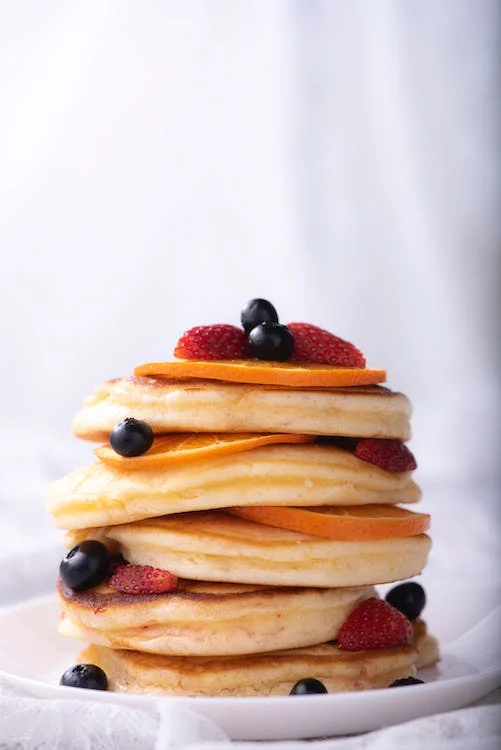
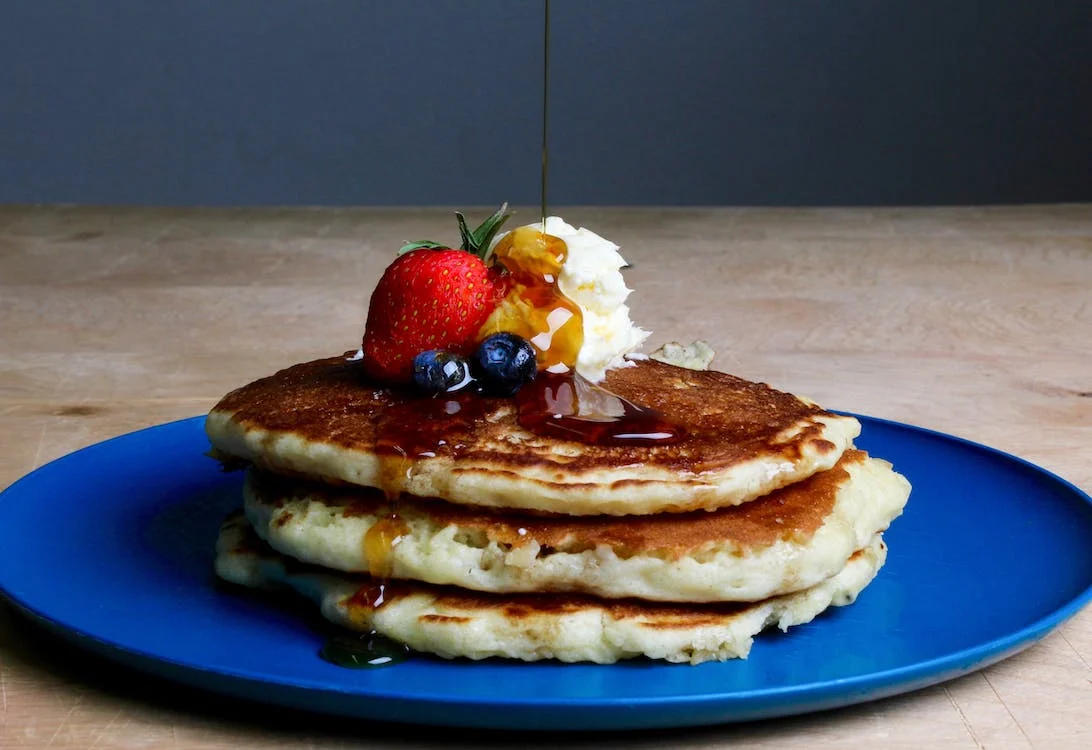
On Shrove Tuesday, people eat pancakes to use up rich ingredients like eggs, fats, and milk, which are traditionally avoided during the 40 days of Lent. This tradition dates back to at least the 16th century and symbolizes indulgence before the fasting period begins. By eating pancakes on this day, you're participating in a long-standing custom with historical roots.
In the UK alone, around 52 million eggs are consumed on Shrove Tuesday, highlighting the popularity of this tradition. The earliest known English pancake recipe dates back to the 15th century, showing the deep connection between Shrove Tuesday and pancakes. Different countries have unique variations, like the Swedish semla—a cardamom-spiced sweet bun filled with almond paste and cream.
Here are some key facts about Shrove Tuesday and pancakes:
| Fact | Detail |
|---|---|
| Ingredients Used | Eggs, fats, milk |
| Historical Origin | At least the 16th century |
| Egg Consumption in UK | 52 million eggs on Shrove Tuesday |
| Earliest Pancake Recipe | 15th century |
| International Variations | Swedish semla, among others |
Pancake Races History
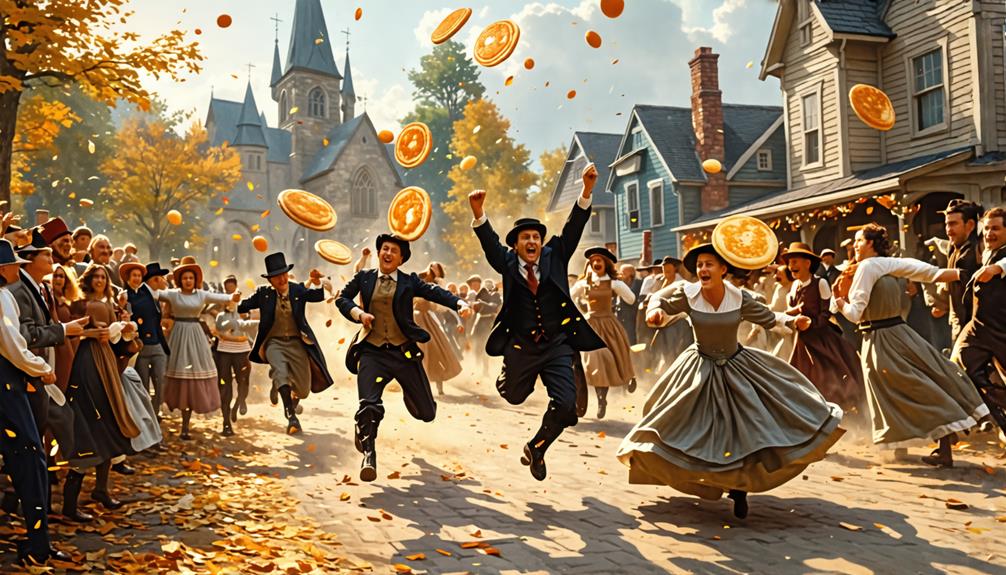
Enjoying pancakes on Shrove Tuesday is a cherished tradition, but pancake races add an exciting twist. The most famous race occurs in Olney, Buckinghamshire, dating back to 1445. The story goes that a woman, hearing the shriving bell, ran to church while flipping a pancake. This event has become an annual competition, rich in local customs and community spirit.
In the Olney pancake race, participants must be local housewives, dressed in aprons and head coverings. The rules are simple: race to the finish line while flipping a pancake in a frying pan. The winner serves a pancake to the bellringer and receives a kiss, honoring tradition.
Pancake races are not limited to Olney. For instance, Westminster Schools in London hold an annual Pancake Grease event. Here, boys compete for a piece of a large pancake. These races highlight:
- Community spirit: Bringing neighbors together.
- Historical continuity: Preserving timeless customs.
- Joyful competition: Adding fun to a religious observance.
Celebrate the history and excitement of pancake races this Shrove Tuesday.
Swedish Semla Buns
Have you ever tasted a semla bun? This delightful treat is a staple of Swedish cuisine, especially on Shrove Tuesday. Semlor, as they are known in Sweden, are cardamom-spiced sweet bread rolls filled with almond paste and topped with whipped cream. This tradition dates back to the 18th century and remains a key part of Swedish festive culture.
| Aspect | Details |
|---|---|
| Main Ingredients | Cardamom bread, almond paste, whipped cream |
| Cultural Significance | Eaten on Shrove Tuesday, 18th-century tradition |
| Historical Anecdote | King Adolf Frederick died after eating 14 semlor in 1771 |
| Comparison | Unlike pancakes, semlor are unique to Sweden |
| Evolution | Recipe has evolved, reflecting Swedish culinary heritage |
While pancakes are common on Shrove Tuesday in many cultures, semlor provide a unique and historical option in Sweden. Historical records note that King Adolf Frederick's death in 1771 occurred after he consumed 14 semlor, highlighting their long-standing popularity. The recipe has evolved over time, reflecting Swedish culinary traditions.
Next Shrove Tuesday, consider trying semla buns instead of pancakes. This will allow you to experience a piece of Swedish history and festive spirit.
Other Shrove Tuesday Traditions
Shrove Tuesday features more than just pancakes. It includes various unique and historical customs. One example is the Olney pancake race, which started in 1445. In this event, local housewives compete while tossing pancakes in frying pans. This symbolizes community celebration and long-standing traditions. The church bells ring to signal the start of the race, bringing neighbors together.
In Britain, children once took part in "shroving." They sang songs to receive food from neighbors. This created a strong sense of community and festivity. It was a great way to engage with others and share food before the fasting period.
Modern celebrations have moved away from violent customs like cock-throwing. Instead, they focus on communal activities like pancake races and festive meals. For example, Westminster School holds an annual Pancake Grease competition. Boys race to retrieve a portion of a large pancake, showcasing local traditions.
Here are three key traditions:
- Olney pancake race – Women compete while tossing pancakes.
- Shroving – Children sing for food, promoting community spirit.
- Annual Pancake Grease – Boys race for pancake portions.
These customs show that Pancake Day is more than just eating pancakes. It enriches the community with shared joy and history.