How Bacon Became a Pop Culture Phenomenon
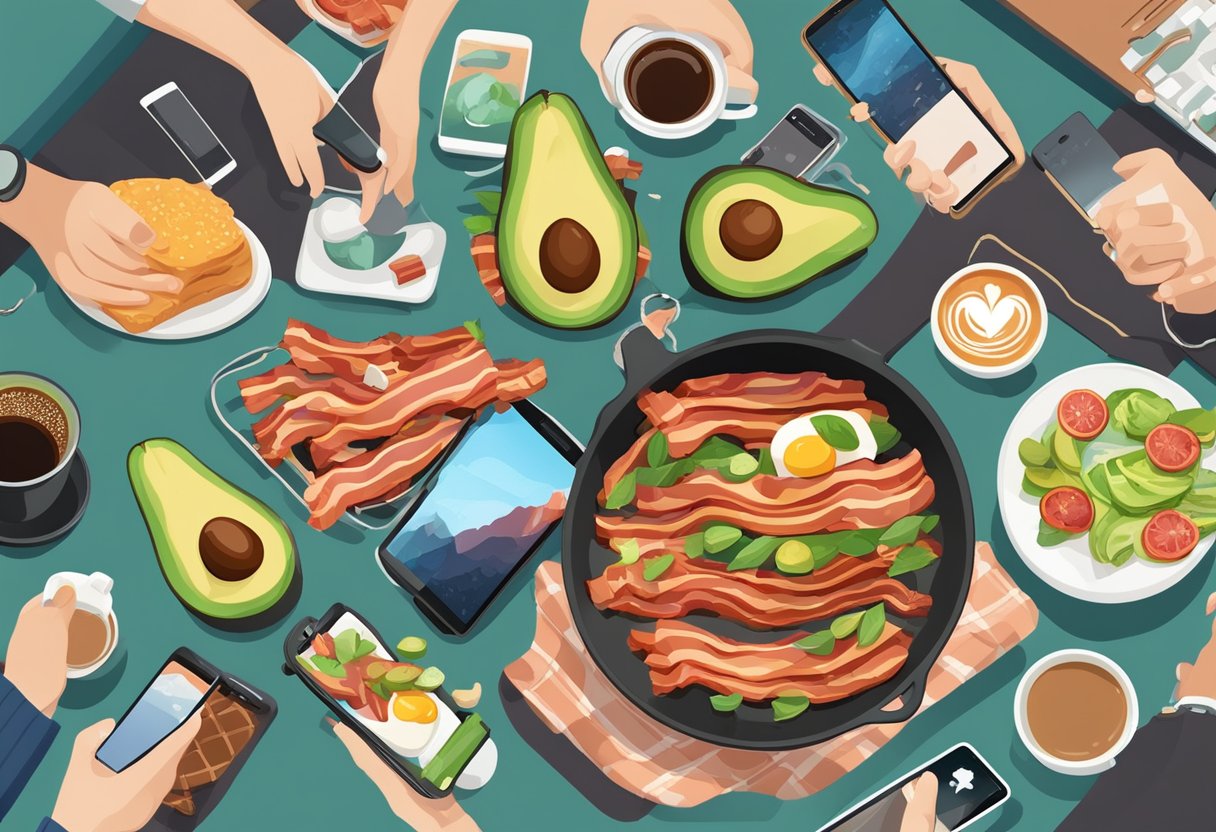
Bacon's rise to pop culture stardom is nothing short of extraordinary. From its humble beginnings as a simple breakfast meat, bacon has become a beloved staple in households across the United States and Canada. The transformation began in the late 1990s when high-protein diets like Atkins brought bacon back into the spotlight.
The internet played a significant role in amplifying bacon's popularity. Social media platforms helped spread creative bacon-centric recipes and novelty items, sparking what some call "bacon mania." Today, bacon isn't just food; it's a cultural icon, appearing in everything from fast food menus to gourmet dishes.
Influential figures and viral moments have also contributed to bacon's fame. For instance, King Curtis, an eight-year-old who proclaimed, "Bacon is good for me!" on the TV show Wife Swap, captured hearts and highlighted bacon's enduring appeal. Through these moments and more, bacon has cemented its place in modern culture.
A Brief History of Bacon
Bacon has evolved from a basic method of meat preservation in ancient times to a globally popular food. Key periods include its early use in ancient civilizations, its rise with industrialized production, and its modern status as a beloved culinary staple.
From Ancient Times to the Middle Ages
In ancient China, pork was a dietary staple, and salting the pork belly was a method to preserve the meat. Preservation through salting allowed communities to store food for long periods. This practice spread, and by the Roman era, bacon was well-regarded.
Europe saw the method of curing pork spread. During the Medieval period, bacon became common in many households. Here, it was not only a vital food source but a symbol of sustenance. The curing process typically involved salting and smoking.
The Industrial Revolution and Mass Production
The Industrial Revolution changed how food was produced and consumed. In the 19th century, mass production techniques emerged, making bacon more accessible. The United States and Canada became significant players in pork production.
Factories could now cure and smoke pork at scale. This led to the wider availability of bacon across the states. Brands began to emerge, and bacon became a staple not just in the home, but in restaurants and diners across America.
Bacon in the Modern Era
Today, bacon is deeply ingrained in American culture and beyond. It is featured in a variety of dishes, from breakfast staples to gourmet creations. Companies continue to innovate, introducing flavors like sriracha-infused bacon and bacon-wrapped everything.
The modern era has seen bacon festivals and products like bacon-flavored snacks. The internet has played a role in popularizing bacon, with trends and memes celebrating it. Bacon's versatility and flavor have cemented its place as a beloved food across the globe.
Bacon as a Culinary Staple
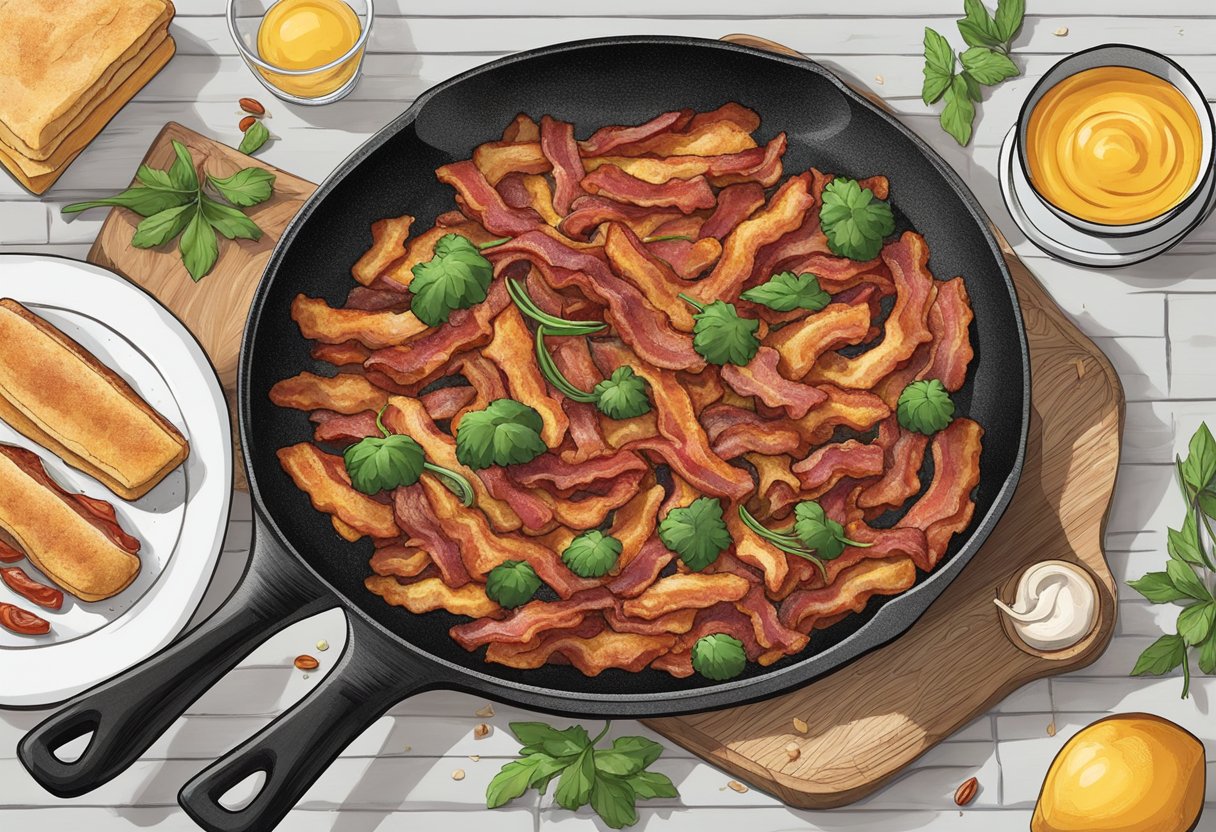
Bacon has found its way into many meals, becoming a key ingredient from breakfast to dinner. Its versatility and flavor have made it a staple in modern cuisine.
The Versatility in Cooking
Bacon is used in a wide range of dishes due to its unique flavor and texture. It adds a savory element to salads, sandwiches, and main courses. Chefs often use bacon to enhance the taste of vegetables, pastas, and even desserts.
Its cooking methods vary from frying to baking, making it adaptable to different recipes. Bacon can be crispy or chewy, depending on how it is prepared. This adaptability has secured its place in various culinary traditions.
Bacon's Role in Breakfast
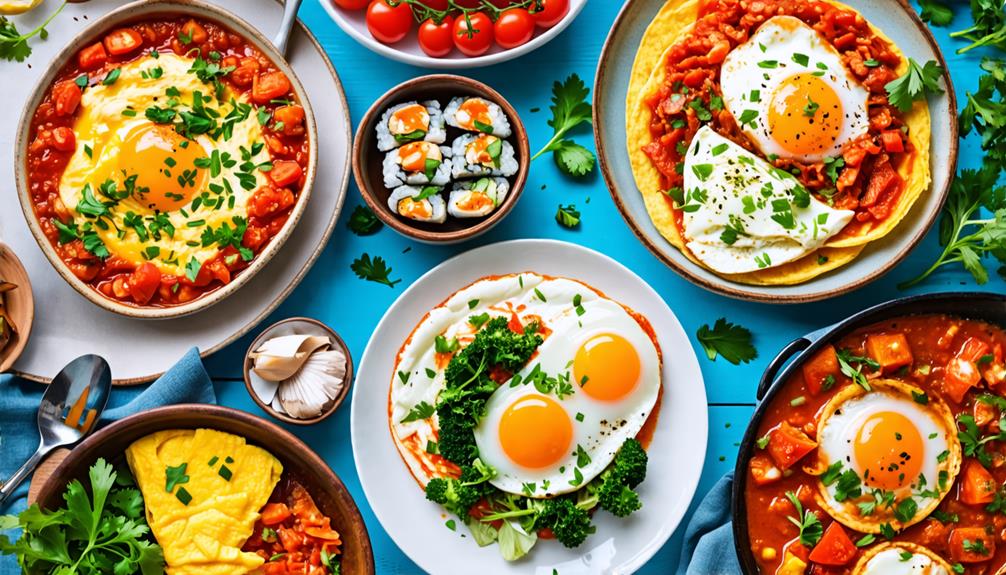
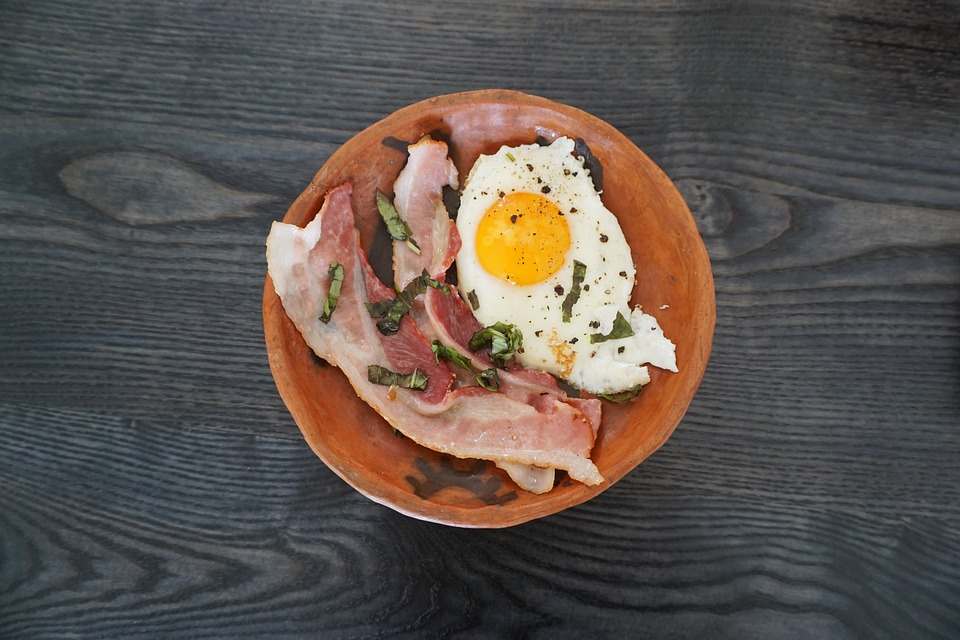
Its popularity grew significantly after Oscar Mayer started packaging pre-sliced bacon in 1924. Bacon pairs well with eggs, pancakes, and toast, offering a savory contrast to sweeter morning foods.
It’s also a common ingredient in breakfast sandwiches and burritos. This salty, flavorful meat has become synonymous with the classic American breakfast, solidifying its role in morning meals.
Bacon Beyond the Morning Menu
Bacon's appeal extends well beyond breakfast. In lunches and dinners, it often appears in salads, pastas, and soups. Its inclusion in burgers and sandwiches, such as BLTs, is particularly popular.
Bacon also finds its way into upscale dishes, where it complements gourmet ingredients. From casual dining to high-end restaurants, bacon continues to be a favored addition. Its ability to enhance both simple and complex dishes explains its broad appeal in various culinary contexts.
The Rise of Bacon in Pop Culture

Bacon has woven itself into the fabric of popular culture through music, movies, the internet, and a variety of public events. These important moments have elevated it from a simple breakfast food to a cultural icon.
Bacon in Music and Movies
Bacon has found a unique place in music and movies. The Bacon Brothers, featuring actor Kevin Bacon and his brother Michael, have combined their love for music with their famous surname to create a rock band that draws large audiences. Their music often blends personal storytelling with upbeat melodies, gaining a loyal following.
Movies also play a role. Kevin Bacon's connection to food through his name has kept him in the public eye. Additionally, references to bacon in movies and TV shows, such as "Footloose" and "Frasier," have helped reinforce its place in entertainment. Bacon's pop culture image benefits from these subtle nods, making it more than just a food item—it’s a symbol of fun and nostalgia.
The Internet's Obsession with Bacon
The internet’s fascination with bacon has turned it into a viral sensation. Memes, videos, and even entire websites dedicated to bacon showcase its versatility and beloved status. Social media platforms like Instagram and Pinterest are filled with bacon-themed content. Recipes, cooking hacks, and bacon-inspired art have all contributed to its online popularity.
This digital love for bacon includes viral challenges and trends. For example, bacon-wrapped everything became a craze, from bacon-wrapped jalapeños to bacon-wrapped desserts. The internet's enthusiasm has propelled bacon into the spotlight, making it a star in the culinary world and beyond.
Bacon Festivals and Events
Bacon-themed festivals and events celebrate this culinary delight in grand style. Cities across the United States host annual bacon festivals where attendees can sample everything from bacon donuts to bacon-infused cocktails. Events like the Blue Ribbon Bacon Festival in Iowa and Baconfest Chicago draw huge crowds every year.
These festivals often feature cooking competitions, live music, and bacon art displays. Vendors showcase their most creative bacon dishes, and attendees participate in bacon-eating contests. These events not only highlight bacon’s versatility but also bring people together, turning their love for this crispy treat into a communal experience.
Economic and Industry Implications
Bacon's rise to pop culture fame has had various effects on the pork industry and market dynamics. Leading brands control significant market shares and the economic impact spans farmers, restaurants, and consumers.
The Pork Industry and its Evolution
The pork industry has evolved significantly, driven by the rising demand for bacon. As consumer preference shifted towards premium and flavored products, producers had to adapt. Large-scale farms and advanced technologies have increased production efficiency. These changes have both benefits and challenges, such as environmental concerns and fluctuating pork prices. Major players like Oscar Mayer and Hormel have invested heavily in innovation to meet these evolving demands.
Bacon Brands and Market Power
Brands like Oscar Mayer and Hormel have played crucial roles in shaping the bacon market. Through aggressive marketing and product diversification, they have maintained dominant positions.
Oscar Mayer is known for its classic products, while Hormel has expanded into niche markets with unique offerings such as uncured and organic bacon. Their strategies include collaborating with chefs for new recipes, leveraging social media for advertising, and expanding into international markets.
The Economic Impact of Bacon
Bacon's popularity has a broad economic impact. It benefits farmers, contributes to the revenue of restaurants, and influences grocery sales. Restaurants featuring bacon on their menus often see higher customer engagement. Grocery stores stock various bacon products, generating significant sales. The pork industry sees a boost in economic activity, from feed suppliers to processors, due to increased demand. Bacon's economic footprint is vast, touching multiple aspects of the food supply chain.
Bacon's Influence on Lifestyle and Comfort
Bacon's influence spans far beyond the breakfast table; it represents indulgence and comfort in modern life. This section explores how bacon has taken on these roles.
Bacon as a Symbol of Indulgence
Bacon has come to symbolize indulgence, evoking thoughts of rich, flavorful experiences. Its popularity is driven by its unique taste and versatility. People enjoy bacon not just in traditional meals but also as an ingredient in gourmet dishes and decadent desserts.
Bacon's rich, savory taste delivers a sensory pleasure that many associate with treating oneself. The trend of using bacon in diverse and unusual ways, from bacon-wrapped scallops to chocolate-covered bacon, highlights this indulgent aspect. This indulgence taps into a culture of enjoying rich foods without guilt, making bacon more than just a food item. It has become an emblem of the delight in culinary experiences.
Bacon's Place in Comfort Food
Bacon sits at the heart of many comfort foods, bringing warmth and satisfaction. Its crispy texture and smoky flavor make it a favored addition to dishes like mac and cheese, burgers, and salads.
Comfort foods often evoke nostalgia and a sense of home, and bacon enhances these feelings. A BLT sandwich or loaded potato skins with bacon captures the essence of a comforting, hearty meal enjoyed with family or friends.
The aroma of bacon frying can transform a kitchen, creating a cozy and inviting atmosphere. This sensory experience ties bacon to comfort and happiness, making it a staple in many comfort food recipes.
The Process Behind Bacon
Bacon, beloved for its smoky flavor and preservation qualities, is made through a series of important steps involving curing and smoking.
Curing and Smoking: Flavor and Preservation
Curing is the first step in making bacon. Salt is used to draw moisture out of the pork, which helps to preserve it and gives it that distinct taste. Sometimes, sugar and other seasonings are added to the salt mix for additional flavor.
Once cured, the bacon undergoes smoking. This step imparts the notable smoky flavor that bacon is famous for. The smoking process also aids in further preservation by adding antimicrobial properties. Different woods like hickory or applewood are often used to smoke the bacon, adding subtle variations to its flavor.
Regional Bacon Varieties
Bacon's popularity spans across various regions, each with its unique style, preparation, and taste. From American streaky bacon to Chinese pork belly, the differences reflect local cultures and techniques.
American Bacon and Its Uniqueness
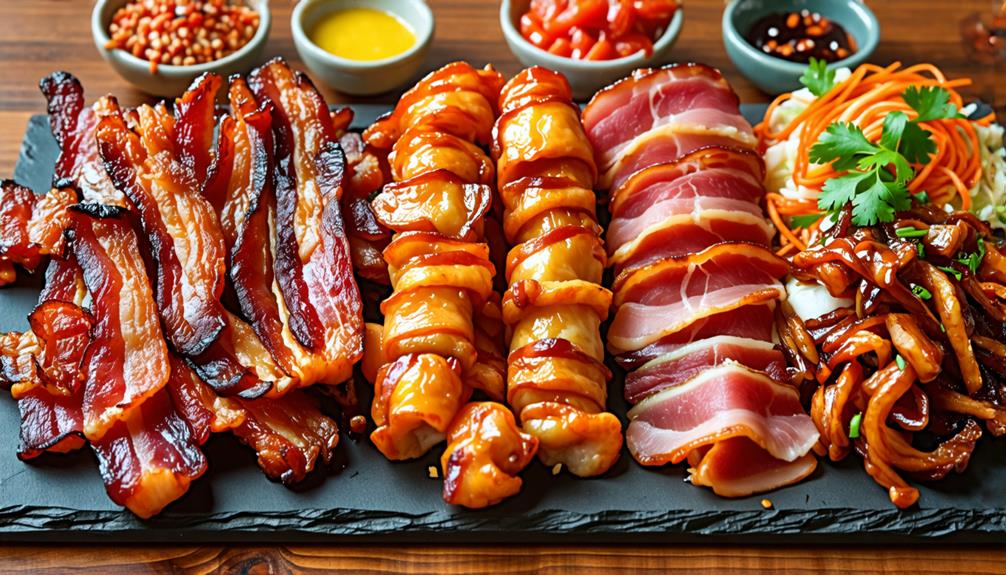
American bacon, often called streaky bacon, is notable for its fatty, crispy texture and balance of sweet and savory flavors. It is typically made from pork belly and cured with a mix of salt and sugar, sometimes with added smoke flavor.
In the United States, Philadelphia is famous for its breakfast sandwiches featuring crispy bacon strips. Canada, on the other hand, offers "Canadian bacon," which is leaner and resembles ham. This type is made from pork loin and is often peameal-rolled for extra flavor.
American bacon's appeal lies in its versatile use in dishes from hearty breakfasts to gourmet recipes. The combination of its curing process and the fatty cut gives it a distinct taste that’s hard to replicate elsewhere.
Bacon Across the Globe
Europe boasts a variety of bacon traditions, with Denmark being one of the leading producers. Danish bacon is prized for its tender, meatier qualities and less fat. In Germany, "speck" is a well-known variety that is typically smoked and has a strong, bold flavor.
In Asia, China offers "lap yuk," which is cured with a mix of soy sauce and spices. This type of bacon is often used in stir-fries and other traditional dishes, providing a rich umami taste. Each region uses different cuts, curing methods, and spices, resulting in a wide array of flavors. The diversity in bacon styles is a testament to how culinary traditions shape regional food preferences.