
Egg Labels Explained: What Do "Cage-Free," "Free-Range," and "Organic" Mean?
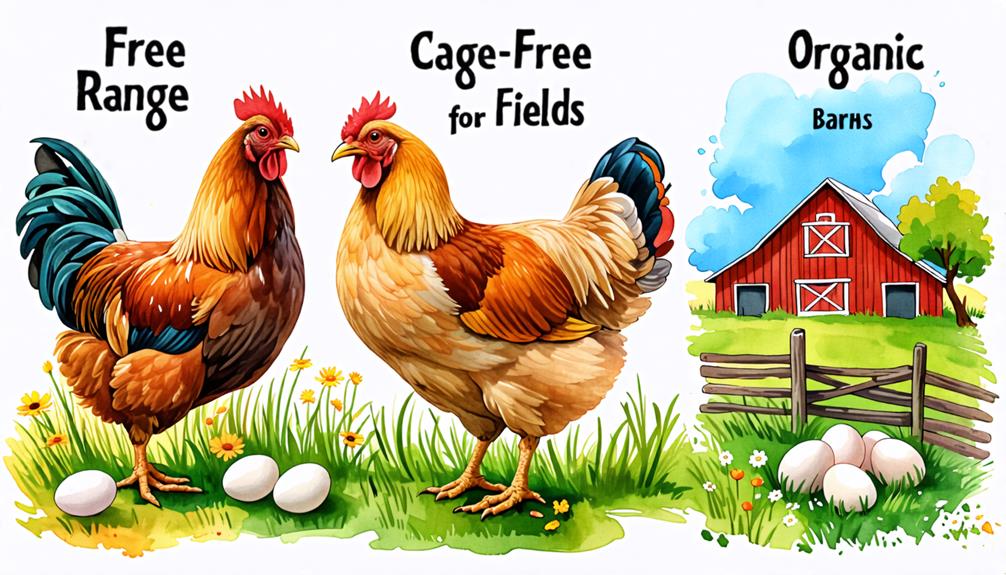
When you walk through the egg aisle, labels like "cage-free," "free-range," and "organic" might catch your eye. But what do they really mean? It's easy to assume these terms guarantee better animal welfare and higher quality eggs. However, the reality is more nuanced. Each label reflects different standards and practices, and not all are as transparent as they seem. By understanding these labels, you can make more informed choices. Curious about how these distinctions impact your eggs and the welfare of hens? Let's break it down.
- Cage-Free: Hens are not kept in cages. They can move around inside a building or room. However, this doesn't mean they have access to the outdoors.
- Free-Range: Hens have some access to the outdoors. The quality and amount of outdoor space can vary, but they generally have more freedom than cage-free hens.
- Organic: Hens are given organic feed and have access to the outdoors. They are not treated with antibiotics or synthetic hormones. Organic standards also tend to cover broader welfare practices.
Understanding these terms can help you decide which eggs to buy. Look for additional certifications, like Certified Humane or Animal Welfare Approved, for more assurance on animal welfare.
Egg Price Trends
In recent years, egg prices have risen sharply, surprising many consumers. The average price of a dozen eggs increased by 60% in 2022, reflecting broader economic factors. As you walk down the grocery store aisles, you will see significant price differences among various types of eggs. For example, organic eggs often cost more due to stricter production standards and certifications, such as being certified humane.
Cage-free or free-range eggs also tend to be more expensive because they guarantee better living conditions for hens. According to Consumer Reports, these labels can significantly affect egg prices. Growing consumer awareness about egg sourcing has led many to carefully examine these labels, seeking to understand the value behind the cost.
Sticker shock is common among shoppers these days. You might wonder why egg prices have increased so dramatically. The Consumer Price Index confirms this trend, showing notable price hikes that impact your weekly grocery budget. Since egg consumption remains steady, understanding these price trends can help you make more informed choices at the store.
Understanding Misleading Labels
When buying eggs, it's easy to be misled by vague marketing terms and unclear animal welfare claims. Labels like "Farm Fresh" and "Natural" sound appealing but lack clear definitions. "Hormone-Free" is redundant because hormones are already banned by law. Even "Free Range" can be deceptive, as it doesn't always mean hens have significant outdoor access.
To make informed choices, look for certifications like "Certified Humane" or "Animal Welfare Approved." These labels have clear standards for animal treatment. Also, consider buying from local farms where you can see the conditions firsthand.
Ambiguous Marketing Terms
Navigating egg labels can be confusing, especially with terms that sound reassuring but lack clear definitions. "Farm fresh" is one such term; it has no standardized meaning, making it hard to determine egg quality or sourcing. Similarly, "natural" is misleading since all eggs are natural, offering no information on humane treatment or farming practices.
When you see "cage-free eggs," you might assume the hens had a better life. However, this label doesn't guarantee outdoor access and often means hens are raised in crowded indoor conditions. "Free range" sounds better, but it only implies some outdoor access, without specifics on the size or quality of that access, leading to misconceptions about hen welfare.
The claim "hormone-free" is redundant, as hormone use in egg production has been illegal for decades. Terms like "animal welfare approved" and assurances against synthetic pesticides or GMOs can be genuine but require verification. Understanding these ambiguous marketing terms is essential for making informed choices about the eggs you buy.
Misleading Animal Welfare Claims
Navigating egg labels can be tricky, especially with animal welfare claims. The term "Cage-Free" might suggest hens lead a more humane life, but they can still be kept indoors in crowded conditions without outdoor access. This can mislead you into thinking the hens have better welfare than they actually do.
Similarly, "Free Range" egg labels imply the birds have outdoor access. However, these hens may not spend much time outside or have much space. This can create confusion about their actual living conditions and the animal welfare standards being met.
Terms like "Farm Fresh" and "Natural" add another layer of complexity. These labels lack clear definitions and don't necessarily indicate humane treatment. They can mislead you into thinking you're making an ethical choice when the welfare standards might be no different from conventional eggs.
It's easy to misinterpret these labels and end up overpaying for eggs that don't meet your expectations for humane treatment. Being aware of these misleading claims helps you make more informed decisions about the eggs you purchase.
Redundant Hormone-Free Labels
Understanding egg labels can be confusing, especially with terms like "Hormone-Free." The truth is, the use of hormones in egg production has been banned by federal law since the 1950s. So, every egg you purchase is already hormone-free, regardless of the label.
When you see "Hormone-Free" on an egg carton, it might make you think the eggs are of higher quality or safer. You might even be tempted to pay more, believing you're getting something special. In reality, this label doesn't offer any extra assurance about animal welfare or nutritional value. It's a marketing tactic that adds to consumer confusion.
To make informed purchasing decisions and support transparency in the industry, focus on labels that truly reflect egg production conditions. Knowing that all eggs are naturally hormone-free helps you avoid falling for misleading claims.
- Avoid misleading advertising: You shouldn't have to second-guess labels.
- Save money: Don't pay extra for redundant claims.
- Make ethical choices: Look for labels that provide real information about animal welfare.
Cage-Free Eggs
Choosing cage-free eggs might seem like a step toward better animal welfare, but it's important to understand what this label means. Cage-free hens are not kept in cages, allowing them to move around freely within indoor spaces. However, these hens can still be raised in crowded conditions, often with little or no outdoor access. This lack of space and fresh air can affect their well-being.
The term "cage-free" might make you think these hens are treated humanely. While cage-free environments are an improvement over battery cages, where about 66% of U.S. hens are still raised, it doesn't guarantee humane treatment. The hens might still face limited space and insufficient environmental enrichment, which can lead to stress and health issues.
If you want to make a more humane choice, look for labels like "free-range" or "pasture-raised." These usually indicate better living conditions for the hens, including outdoor access. Checking for third-party certifications, like Certified Humane or Animal Welfare Approved, can also help ensure higher welfare standards.
Free-Range Eggs
Free-range eggs come from hens that have some access to the outdoors. This feature often appeals to consumers looking for more humane options. However, outdoor access can be limited in both size and duration. The USDA mandates that free-range hens must be able to see outside, but this doesn't guarantee they have ample space to roam or engage in natural behaviors.
Many people mistakenly believe that free-range hens have much better living conditions. In reality, these hens can still be raised in crowded conditions. To ensure better welfare for the hens producing your eggs, look for supplementary certifications such as Certified Humane or American Humane Certified. These labels indicate higher standards of animal care, providing more assurance that the hens are treated ethically.
Consumer demand for ethical treatment of hens has led to increased scrutiny of free-range egg production practices. This has resulted in clearer labeling and improved conditions. When choosing free-range eggs, consider the following:
- Know that hens may not have as much outdoor space as you think.
- Be aware that barns can still be crowded despite the "free-range" label.
- Look for Certified Humane or American Humane Certified labels for better assurance of ethical treatment.
Organic Egg Standards
When buying organic eggs, you're choosing eggs from hens raised under specific conditions that ensure their welfare and the quality of the eggs. These hens are fed non-GMO grains and are not exposed to synthetic pesticides or antibiotics. Their diet and living conditions follow strict organic farming practices.
One key aspect of organic egg standards is that hens must have outdoor access. However, the size and quality of this outdoor space can vary greatly between farms. Some farms provide ample space and good conditions, while others offer minimal outdoor access. Therefore, not all organic eggs will meet your expectations for animal welfare.
Organic certification ensures that the feed given to hens is free from synthetic additives, which contributes to the quality of the eggs. Due to the strict standards and higher costs of these practices, organic eggs are generally more expensive. Be aware that cheaper organic eggs may come from farms with limited outdoor access and lower welfare conditions, so it's worth researching the specific brand you choose.
If you want to ensure the best conditions for the hens, look for brands with high welfare standards and good outdoor access. Reading reviews and checking the farm's practices can help you make an informed choice.
Pasture-Raised Eggs
Pasture-raised eggs come from hens with access to ample outdoor space, allowing them to forage naturally. These hens live in a pasture where they can roam freely, scratch the ground, and enjoy the sunshine. Eggs from hens with outdoor access are often healthier and more nutrient-dense. However, the term "pasture-raised" can be ambiguous because there's no standardized definition across brands.
Choosing eggs labeled as "certified humane" ensures that hens have access to a pasture with specific space requirements, promoting high welfare standards. This certification guarantees that the hens live healthy lives and engage in their natural behaviors.
While pasture-raised eggs generally cost more—often over $5 per dozen—the benefits can be worth it. Research shows they contain higher levels of antioxidants and beneficial fatty acids compared to conventional eggs.
- Supporting animal welfare: Contribute to the humane treatment of animals.
- Healthier options: Choose eggs with more nutrients, like antioxidants and fatty acids.
- Happy hens: Hens cluck freely in open pastures.
Opting for pasture-raised eggs reflects a commitment to quality, health, and humane farming practices.
Consumer Awareness and Education
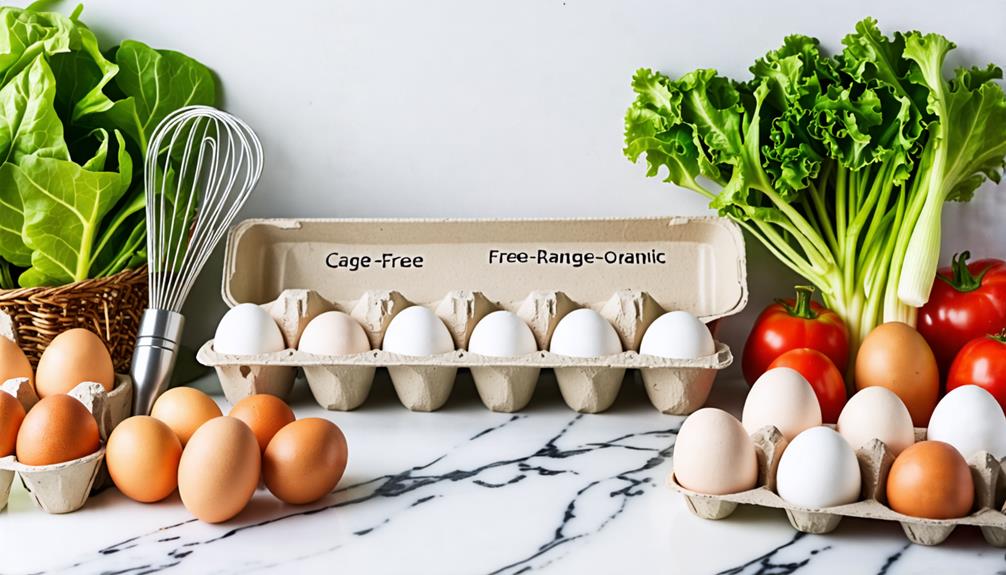
As egg prices soared by 60% last year, consumer awareness about egg labeling has surged. Many shoppers are now scrutinizing the sourcing of their eggs more closely. You might find yourself confused by terms like "cage-free," "free-range," and "organic," especially when they come with a higher price tag. Understanding these labels ensures you're not overpaying without knowing the actual living conditions of the birds.
| Label | Meaning | Certification |
|---|---|---|
| Cage-Free | Hens are not kept in cages but are still confined indoors. | No third-party required |
| Free-Range | Hens have some outdoor access, but specifics can vary. | Sometimes third-party |
| Organic | Hens are fed organic feed and have outdoor access. | USDA Certified Organic |
Third-party certifications like Certified Humane and Animal Welfare Approved offer essential insights into hen welfare. These certifications help you make informed choices. Educated consumers are driving the demand for transparency in egg production, influencing higher standards in farming practices.
Utilize resources like Consumer Reports to navigate egg labels. This consumer awareness is crucial for making better purchasing decisions and ensuring you get what you pay for.