Bacon in Space: How Astronauts Enjoy Bacon on the ISS
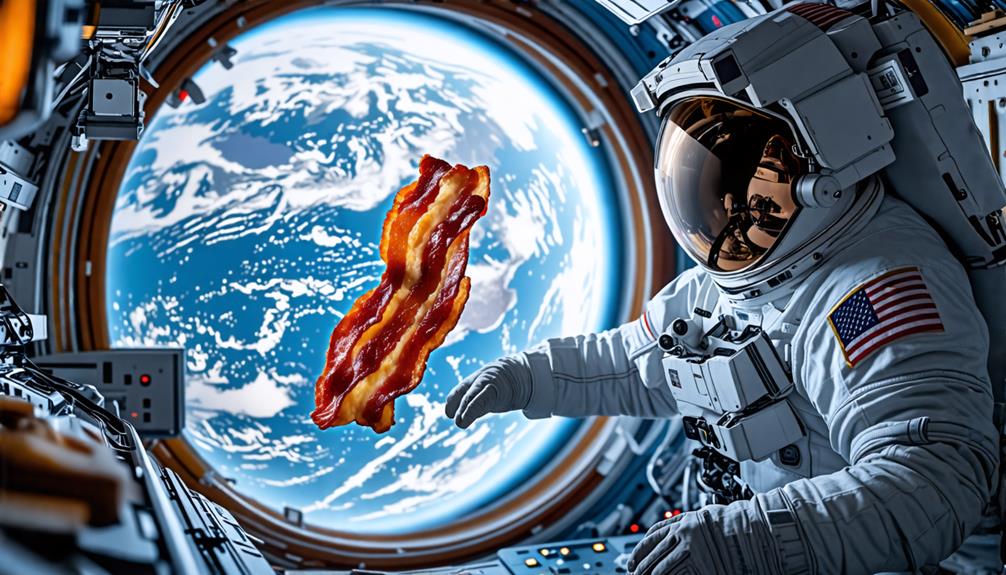
Bacon, a favorite breakfast food, has found its way to the International Space Station (ISS). Although not on the official menu, astronauts like Tim Peake have enjoyed bacon sandwiches in space. This achievement involves careful preparation and safety measures. Pre-cooking the bacon and vacuum-sealing it ensures it is safe and tasty for astronauts. But how is bacon prepared and eaten in zero gravity? The answer lies in the evolution of space food.
First, bacon is cooked on Earth to eliminate harmful bacteria. Next, it is vacuum-sealed to preserve freshness and prevent contamination. This packaging also makes it easier to handle in space. On the ISS, astronauts use scissors to open the vacuum-sealed packs. To eat, they use tortillas instead of bread to minimize crumbs, which can be hazardous in zero gravity.
These steps ensure astronauts can safely enjoy a comforting bacon sandwich even while orbiting Earth.
Evolution of Space Food
The evolution of space food has significantly improved since the early days of space exploration. During the Mercury missions, astronauts consumed paste in tubes, such as beef and liver paste, like Yuri Gagarin did in 1961. The Gemini missions introduced freeze-drying techniques, which enhanced the quality and variety of food available to astronauts.
By the Apollo missions, the menu included items like cornflakes, scrambled eggs, and coffee, offering a more satisfying dining experience. Today, the International Space Station (ISS) provides a much wider selection of food. With regular deliveries, the menu has grown from fewer than 70 items to over 200. This includes modern favorites like the bacon sandwich, allowing astronauts to enjoy familiar tastes while orbiting Earth.
Current space food technology includes cooking methods like induction ovens. This allows astronauts to enjoy a broader range of meals, making life on the ISS more comfortable and enjoyable.
Collaboration With Heston Blumenthal
Renowned chef Heston Blumenthal teamed up with the European Space Agency to revolutionize space food for Tim Peake's Principia mission. The goal was to improve the taste, appearance, and aroma of space food, making it more enjoyable. Blumenthal recognized the importance of food in emotional well-being and addressed the challenges of zero-cooking and refrigeration conditions in space.
Blumenthal developed seven special recipes for Peake's bonus food supply. One notable creation was a bacon sandwich, showcasing his creativity and commitment to improving astronauts' meals. By focusing on taste and emotional well-being, Blumenthal's recipes provided comfort and normalcy during long missions.
This collaboration marked a major step forward in space food. Blumenthal's work showed that high-quality, enjoyable food is possible even in space. His efforts addressed nutritional needs and improved the overall eating experience for astronauts, leaving a lasting impact on how they enjoy their meals.
Nutritional Requirements
Blumenthal's culinary innovations have made space food more enjoyable and underscored the importance of meeting astronauts' nutritional needs. On the ISS, astronauts need about 3,000 calories per day to maintain their energy levels in zero gravity. This ensures their bodies function well despite the challenges of space.
Space food must meet strict nutritional requirements, providing vital proteins, carbohydrates, fats, vitamins, and minerals. Each meal is designed to be lightweight, compact, and shelf-stable for up to 1.5 years, ensuring it remains safe and nutritious throughout the mission. Additionally, space food must minimize crumbs and liquid release to prevent microbial growth and equipment malfunctions.
| Nutrient | Importance | Source |
|---|---|---|
| Proteins | Muscle maintenance | Meat, legumes |
| Carbohydrates | Energy supply | Grains, fruits |
| Fats | Energy storage, brain function | Nuts, oils |
| Vitamins | Immune function, bone health | Vegetables, fruits |
| Minerals | Bone density, muscle function | Dairy, leafy greens |
The quality of space food, including treats like bacon, plays a significant role in the mental well-being of astronauts. By incorporating appealing and nutritious options, we help maintain morale and general health during long missions.
Challenges in Preparation
When preparing bacon for space travel, several unique challenges must be addressed to ensure both safety and enjoyment. First, moisture control is crucial. Excess moisture in food can promote microbial growth, so bacon must be processed to remove this moisture, making it safe for astronauts.
Next, consider the crumbs. In zero gravity, floating crumbs can damage sensitive equipment. To prevent this, use dense bread or tortillas for bacon sandwiches. Packaging also needs to be designed to prevent crumbs and maintain the bacon's integrity during the journey.
Cooking in space is another challenge. Bacon must be pathogen-free, but zero-gravity environments limit cooking options. Pre-cooking and vacuum-sealing bacon strips is an effective solution, allowing astronauts to enjoy safe and tasty bacon without traditional cooking methods.
Lastly, think about flavor. Astronauts' taste sensitivity decreases in space, so enhancing the bacon's flavor is important. Carefully adding spices and flavorings ensures the bacon remains delicious in space. By addressing these challenges, you can guarantee that bacon stays a beloved treat on the ISS.
Historical Significance
In the history of space exploration, bacon has played an important role. From early space missions to modern ones on the International Space Station (ISS), bacon has been a favorite among astronauts. Tim Peake's bacon sandwich was the first sandwich eaten in space, showing advancements in space food technology and safety.
Historical events also highlight bacon's significance. In 1965, John Young smuggled a corned beef sandwich aboard Gemini 3. This incident showed the risks of crumbs in zero gravity and emphasized the need for strict food safety standards to ensure astronauts' safety and equipment functionality. NASA's evolving food policies reflect these lessons.
Here is a quick list of key points:
- First Space Sandwich: Tim Peake's bacon sandwich.
- Smuggling Incident: John Young's corned beef sandwich.
- Safety Improvements: NASA's adoption of food safety standards.
Although NASA has removed bacon from the astronaut menu, its legacy continues. Astronauts like Jim Lovell remembered bacon squares during the Apollo 13 mission, showing bacon's lasting appeal. Today, sausage patties serve as a close alternative, keeping the spirit of bacon alive in space.