A Culinary Exploration of French Toast

French toast, a popular dish enjoyed worldwide, has an intriguing history and diverse variations. Known in France as pain perdu or "lost bread," this dish originally served to revive aging bread by soaking it in milk and eggs to make it edible again and prevent food waste. The earliest recorded recipe, found in the Roman cookbook Apicius from the fourth century, called it aliter dulcia or "another sweet dish." This version used fine white bread soaked in milk, fried in oil, and sweetened with honey.
Historical Context and Origin
The concept of French toast extends far beyond France. In ancient Rome, it was a method to use stale bread efficiently. The Romans' version laid the foundation for the modern variations we know today. Despite its name, French toast is not exclusive to France. It has a global footprint, adapted in various cultures, using locally available ingredients.
Ingredients and Variations
Bread:
- Different types of bread give French toast distinctive flavors. Challah, white bread, and brioche are popular choices. Day-old bread works best as it absorbs the milky egg mixture well without falling apart.
- Crustless white bread was historically favored, especially in ancient recipes.
Eggs and Milk:
- Eggs and milk form the base of the batter. Pepper or spices like cinnamon and cardamom can be added for additional flavor.
Sweet Additions:
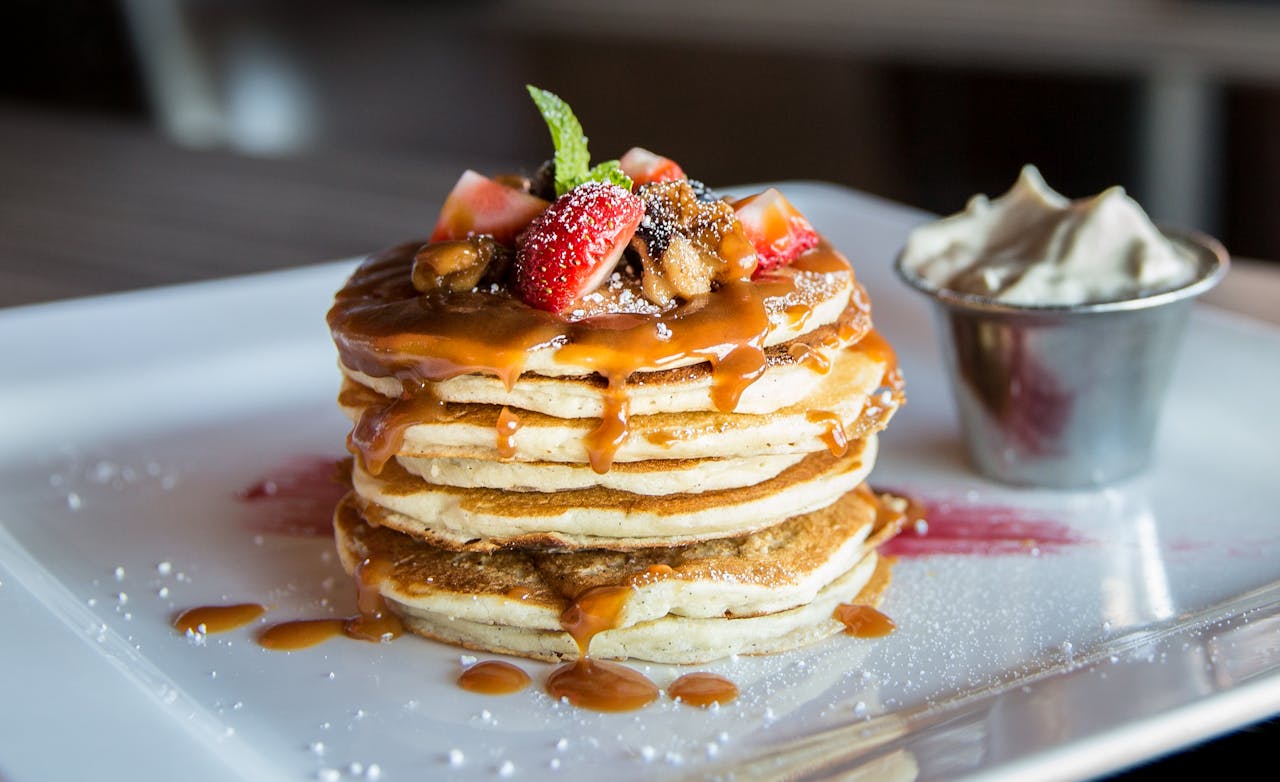
- Sweet versions often include syrup, powdered sugar, and fruit such as bananas.
- Maple syrup, dessert spices, and occasionally vanilla are common in sweet versions.
Savory Versions:
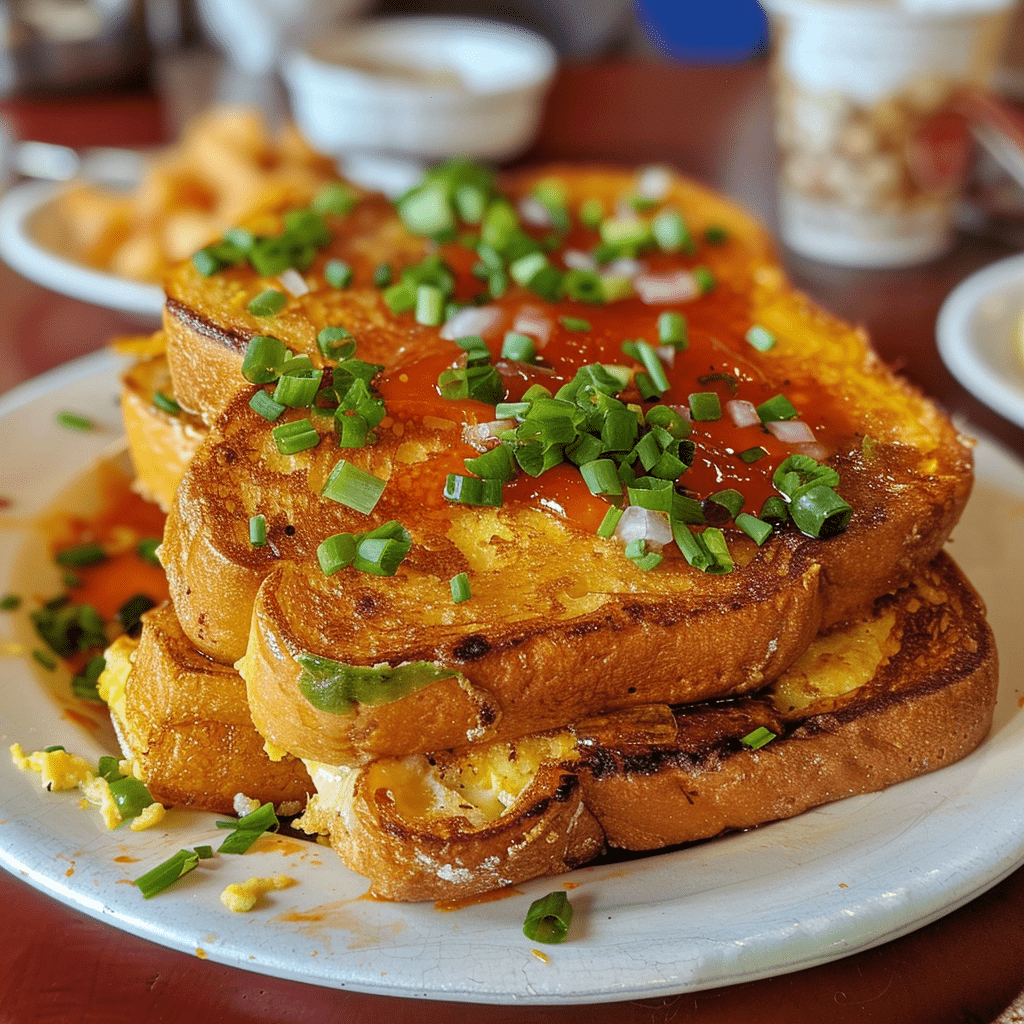
- In places like India, savory French toast consists of eggs mixed with green or chile peppers, sometimes onions, and is served with tomato ketchup.
- Dim Pauruti in Bengal includes chopped onions and chiles.
- Bundás kenyér, a Hungarian variant, often features cheese.
Global Adaptations
The dish’s popularity spans continents, each bringing its unique twist:
- United Kingdom: Known as Poor Knights.
- Spain: Torrijas, often served during Lent, soaked in wine or milk, then fried and dusted with sugar.
- Germany: Referred to as Arme Ritter.
- Hungary: Bundás kenyér, typically served with cheese.
- Brazil: Rabanada, enjoyed during Christmas, dipped in a mixture of milk and wine, fried, then coated with cinnamon and sugar.
Modern Interpretations
In contemporary cuisine, chefs have pushed the boundaries of traditional French toast. Recent menu items include:
- Babka French toast in New York.
- Banana bread French toast in Atlanta’s West Egg.
- Onion brioche topped with chicken at Chicago’s Little Goat.
- Thai tea-laden option at Ngam.
Nutritional Aspects
French toast offers nutritional benefits, primarily due to its main ingredients:
- Protein: Present in eggs.
- Selenium, Sodium, Riboflavin: Found in both eggs and milk.
Butter or olive oil is typically used for frying, contributing to the dish's golden exterior. While traditionally a breakfast item, its combination of carbohydrates, fat, and protein makes it quite filling.
Culinary Flexibility
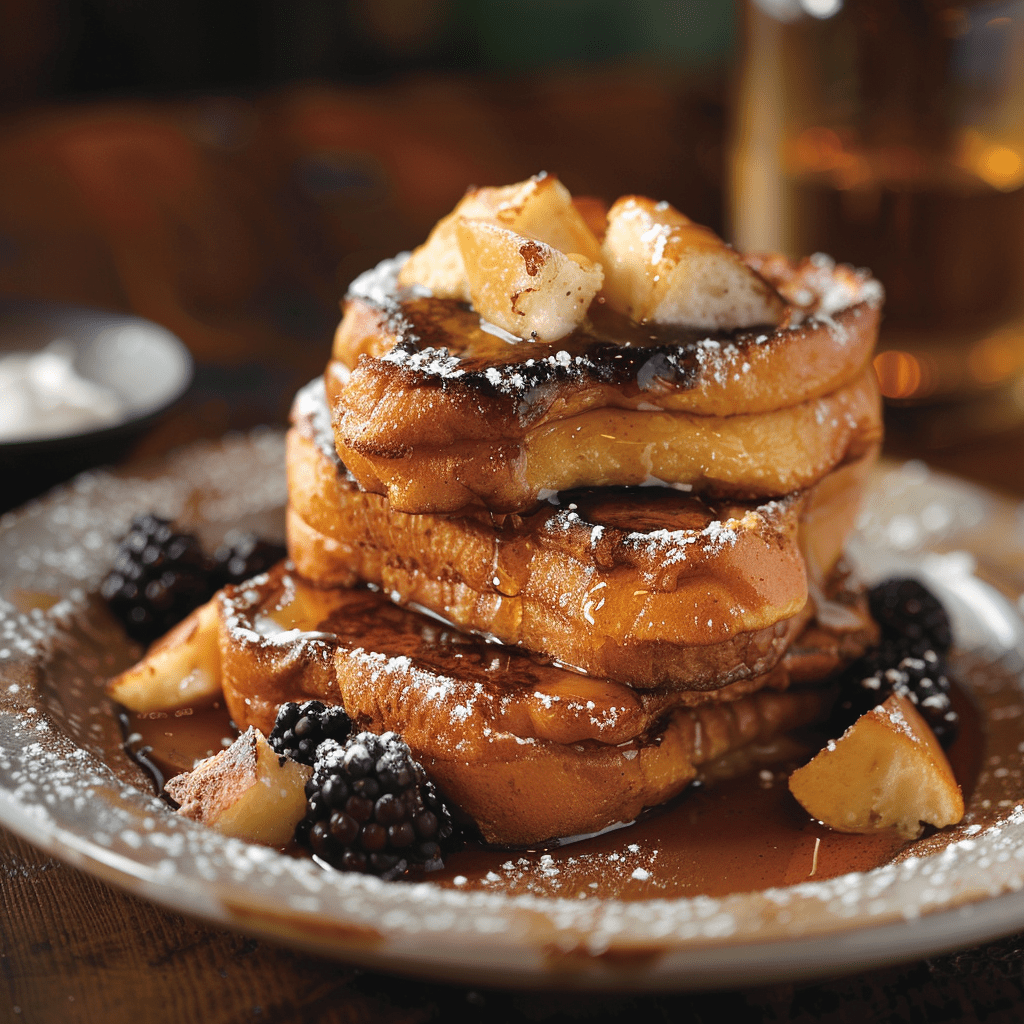
French toast is versatile. It can serve as a dessert, a savory brunch item, or even a main course. Its flexibility extends to its toppings and accompaniments, ranging from ham and sausage in savory versions to peanut butter, bananas, and other fruits in sweeter varieties.
Dining Experience
The allure of French toast lies in its comfort and familiarity. Whether served in a fancy restaurant or at a family brunch, it brings a sense of warmth and nostalgia. Across different cultures, it reflects local flavors and traditions, making it a truly universal dish.
Celebrations and Culture
French toast has entered popular culture, even having its own National French Toast Day. Across different periods and regions, it has morphed, influenced by local tastes and ingredients, from the Monte Cristo sandwich to Gypsy toast.
Conclusion
French toast stands as an emblem of culinary ingenuity and cultural adaptation. From its ancient Roman roots to modern restaurant menus, this dish continues to evolve, uniting diverse palates around the world through its simple, yet versatile, appeal.
Related posts