
10 Egg-Related Myths and the Truth Behind Them

You've likely heard conflicting information about eggs, making it easy to be misled by common myths. Are brown eggs healthier than white ones? Can eating eggs raise your cholesterol to dangerous levels? And what's the truth about raw versus cooked eggs? These questions often leave you puzzled and uncertain about what to believe. By exploring the truth behind these and other egg-related myths, you'll gain a clearer understanding of how to make informed dietary choices. Let's crack open the facts and debunk these myths one by one.
Eggs and Cholesterol
When it comes to eggs and cholesterol, you might be concerned about their effect on your heart health. Each egg contains about 211 mg of cholesterol, which is around 70% of your daily recommended intake. However, recent studies show that the cholesterol in eggs has minimal impact on your blood cholesterol levels. The real culprits for high cholesterol are trans fats and saturated fats, not the dietary cholesterol found in eggs.
According to the National Health & Medical Research Council, eating eggs regularly does not increase your risk of heart disease. Eggs have a low saturated fat content, averaging only 1.7 grams per egg, making them a heart-friendly option. For ideal heart health, maintain a balanced diet low in saturated fats, and including eggs can be part of that healthy diet.
Eggs are also packed with important nutrients, making them a valuable addition to your diet. So, you can enjoy eggs daily without worrying about your heart, as long as you keep your overall saturated fat intake in check.
Egg Color Differences
Eggs come in various colors, mainly brown and white. This often raises questions about whether egg color affects nutritional value. The color of an eggshell is determined by the hen's breed. Brown eggs usually come from larger hens with red earlobes, while white eggs come from smaller hens with white earlobes.
There are no nutritional differences between brown and white eggs. Both types contain similar nutrients, including essential vitamins and minerals. The nutritional value of an egg depends more on the hen's diet than the eggshell color. Whether you choose brown or white eggs, you will get the same nutritional benefits.
Brown eggs often cost more because raising larger hens that lay brown eggs is more expensive. This price difference is not due to any superior quality or nutrition. Next time you are at the store, you can choose either color confidently, knowing you will get the same dietary value.
Raw Vs. Cooked Eggs

When it comes to eggs, how you prepare them can greatly impact their nutritional value and safety. Raw eggs may seem convenient, but they come with significant risks. Raw eggs have a higher chance of containing Salmonella, a bacteria that can cause severe food poisoning. To ensure food safety, cook your eggs thoroughly until the whites are firm.
Cooked eggs also have better nutritional value. Cooking eggs improves protein absorption, providing about 91% bioavailable protein compared to only 50% from raw eggs. This means your body can effectively use the protein from cooked eggs, which is important for muscle repair and growth.
However, avoid overcooking eggs, as this can reduce certain nutrients. Methods like poaching or soft-boiling help retain maximum health benefits. While raw eggs are sometimes used in recipes like sauces, they should be avoided, especially for children, pregnant women, and the elderly.
Egg Storage Tips
Proper egg storage is crucial for ensuring safety and nutritional quality. Store eggs in the back of the refrigerator's middle shelf, where the temperature is most consistent. Avoid placing them in the door, as frequent temperature changes can compromise their quality. Do not wash eggs before storing, as this removes their natural protective coating.
Keep eggs in their original carton to protect them from strong odors and flavors of other foods. The carton also helps prevent physical damage. Eggs can remain safe for up to five weeks past the sell-by date if stored correctly. Freshness is important, but it isn't the only indicator of safety. Always check for visual cracks or any unusual appearance before using them.
Egg Freshness Tests
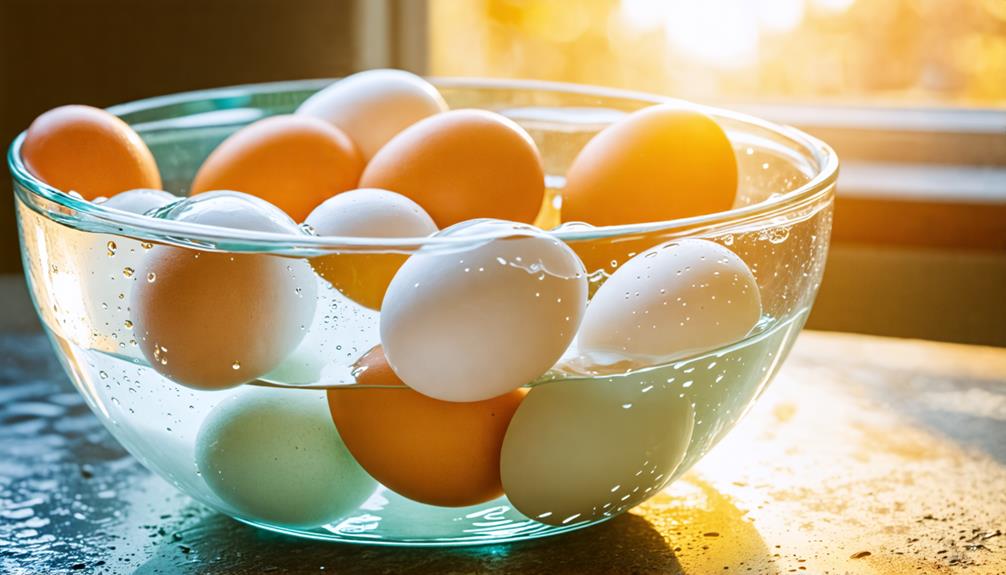
To determine egg freshness, you can use several practical tests. One common method is the float test. Fresh eggs usually sink in water, while older ones float. However, this test isn't foolproof for safety, as salmonella can affect any egg, regardless of buoyancy.
A more reliable test is using your sense of smell. If an egg emits a foul odor when cracked, discard it immediately, no matter how it looks. Always inspect eggs visually for cracks or unusual appearances. Cracked or dirty eggs should be discarded to prevent contamination.
Expiration dates on egg cartons serve as guidelines for quality, not strict rules. Eggs can often remain safe to eat up to five weeks past the sell-by date if stored correctly. Proper handling is essential for maintaining freshness.
Egg Safety Practices
Ensuring egg safety is essential. First, discard any dirty or cracked eggs immediately. These can be prime grounds for Salmonella contamination. Always wash your hands before and after handling eggs. Clean any utensils and surfaces that come into contact with eggs to minimize the risk of foodborne illnesses.
Refrigerate eggs at temperatures below 40°F (4°C). Keeping them cold maintains their freshness and slows the growth of harmful bacteria. Cook eggs thoroughly, making sure both the whites and yolks are firm. This effectively kills any bacteria present.
Do not wash eggs before storing them. Washing can remove the egg's natural protective coating, increasing the risk of bacteria entering through the porous shell. By following these practices, you can enjoy eggs safely. A little caution goes a long way in protecting you and your family from Salmonella.
Nutritional Value of Eggs

Eggs are highly nutritious. The yolks contain essential vitamins, minerals, and antioxidants. The whites provide high-quality protein. Whether you aim for a heart-healthy diet or want to boost your nutrient intake, eggs are a versatile and cost-effective option.
Nutrient-Rich Egg Yolks
Egg yolks often get a bad rap, but they are packed with essential nutrients. They contain important vitamins and minerals like vitamin D, B12, and choline, all of which are crucial for your body's functions. These nutrients provide high-quality nutrition and are an affordable way to meet your dietary needs, with each egg containing about 70 calories.
The yolk is also rich in healthy fats, including monounsaturated and polyunsaturated fats, which are good for heart health. These fats help your body absorb nutrients, especially fat-soluble vitamins, more effectively. Additionally, darker yolks usually have higher levels of carotenoids, which are strong antioxidants.
| Nutrient | Benefit |
|---|---|
| Vitamin D | Bone health, immune function |
| Vitamin B12 | Energy production, brain health |
| Choline | Brain development, liver function |
| Healthy fats | Heart health, nutrient absorption |
| Carotenoids | Antioxidant properties |
Eating both the yolk and the white ensures you get the full range of the egg's nutrients, making it a highly nutritious food. So, don't avoid egg yolks; they are more than just a tasty addition—they are a valuable source of nutrition.
Protein-Packed Egg Whites
Egg whites are a great source of high-quality protein, offering about 3.6 grams per large egg white. They are ideal for muscle maintenance and recovery. If you're looking to cut calories but still need protein, egg whites are an excellent choice. They contain less than 0.1 grams of fat, making them very low in saturated fat—a good option for a balanced diet.
In addition to protein, egg whites are rich in important vitamins and minerals. They are particularly high in riboflavin (vitamin B2), providing around 0.2 mg per egg white. Riboflavin supports energy production and metabolic health. Egg whites also contain about 6.5 mcg of selenium per egg white. Selenium is essential for antioxidant defense and thyroid function.
However, egg whites lack some nutrients found in yolks, like vitamin D and choline. For a balanced diet, it's best to eat both parts of the egg.
Cage-Free and Free-Range
When choosing between cage-free and free-range eggs, it's important to understand the real impact on animal welfare and nutrition. Many labels can be misleading, and the actual conditions for hens vary widely. Your choices at the store often reflect perceived values rather than significant differences in nutritional content.
To make an informed decision, look for certifications from reputable organizations. These certifications can provide more reliable information about the living conditions of the hens. Additionally, research the brands to see if they have a good track record for animal welfare.
Animal Welfare Standards
Understanding the implications of "cage-free" and "free-range" labels is important when considering animal welfare in egg production. Cage-free hens live in open barns with bedding and perches, but they don't always have outdoor access. This can lead to overcrowding and stress, which may not meet your animal welfare standards. Free-range hens, on the other hand, have outdoor access for at least 51% of their lives. This allows them to engage in natural behaviors like foraging and dust bathing. However, conditions can still vary widely between farms.
When you buy organic eggs, they come from uncaged hens fed organic feed. However, this does not necessarily mean better animal welfare compared to conventional eggs. The labels "cage-free" and "free-range" are often used as marketing tools, focusing on production methods rather than significant nutritional differences.
For more reliable animal welfare standards, look for Certified Humane labels or similar certifications. These labels ensure better practices, giving you a more dependable choice when selecting eggs based on animal welfare. While cage-free and free-range labels provide some insight, Certified Humane offers a clearer picture of humane production methods.
Labeling Misconceptions
Navigating egg labels can be confusing, especially with terms like "cage-free" and "free-range." Many people think cage-free eggs come from hens in open, spacious environments. In reality, cage-free hens are not kept in cages but can still be confined to crowded indoor spaces without outdoor access.
The term "free-range" suggests that hens roam freely outdoors. However, free-range hens only need outdoor access for 51% of their lives, and the quality of that outdoor space can vary greatly.
Some assume that cage-free, free-range, and organic eggs are nutritionally superior to conventional eggs. Organic eggs come from hens fed organic feed and raised in cage-free environments, but this doesn't guarantee better nutrition. The nutritional differences between cage-free, free-range, and conventional eggs are minimal. The main differences are in the farming practices, not the health benefits.
These labels are often used as marketing tools, so it's important to understand what they really mean. Knowing the truth behind these labels helps you make more informed choices when buying eggs.
Consumer Choices Impact
Choosing between cage-free and free-range eggs involves more than just looking at labels. It's about understanding the broader implications of your choices. When you consider factors like animal welfare, environmental impact, and your own health, the decision becomes clearer.
Cage-free hens are raised in open barns, giving them more freedom compared to traditional caged systems. They can move around more, which improves animal welfare. Free-range hens have access to the outdoors for over half their lives, offering a more natural environment.
These terms sound appealing, but remember, they are often used as marketing tools. There are no significant nutritional differences between cage-free, free-range, and conventional eggs. Organic eggs come from uncaged hens fed organic feed, but this doesn't noticeably improve their nutritional content either.
Here are some points to consider:
- Animal Welfare: Cage-free and free-range options support better living conditions.
- Environmental Impact: Free-range systems may be more sustainable.
- Marketing Terms: Labels like "organic eggs" often influence consumer choices.
- Nutritional Value: Minimal differences; eggs should be eaten as part of dietary guidelines.
Make informed consumer choices based on what matters to you.
Eggs in Pregnancy

During pregnancy, eggs are a valuable source of essential nutrients that support both the mother's health and fetal development. Pregnant women benefit greatly from consuming eggs, as they are rich in important vitamins and minerals. Despite concerns about cholesterol, moderate egg consumption is generally considered safe and beneficial. However, it is necessary to avoid raw or undercooked eggs to minimize the risk of foodborne illnesses like salmonella, which can be particularly dangerous during pregnancy.
Egg yolks are especially valuable because they contain nutrients like choline, which is crucial for fetal brain development. The Australian Society of Clinical Immunology and Allergy (ASCIA) does not recommend eliminating allergenic foods, including eggs, for pregnant women. In fact, there's no evidence to support the idea that avoiding eggs will prevent allergies in your baby. Health professionals often recommend including eggs as part of a balanced diet during pregnancy.
Misconceptions About Egg Quality
How often do you rely on common myths to judge egg quality? Many misconceptions can lead to mistakes about food safety. Let's clear up some of these misunderstandings.
First, the float test isn't reliable for determining egg quality. While a floating egg may seem stale, it doesn't necessarily mean it's unsafe. Harmful bacteria like salmonella can be present in both fresh and older eggs. Also, don't be fooled by smell or taste; an egg can harbor harmful bacteria without showing any signs of spoilage.
Here are some practical tips to ensure your eggs are safe:
- Discard cracked eggs immediately: They pose a higher risk of contamination.
- Watch expiration dates: While these are guidelines for quality, eggs can be safe up to five weeks past the sell-by date if stored properly.
- Maintain clean surfaces: Always handle eggs with clean hands and utensils to avoid contamination.
- Perform visual inspections: Look for cracks or unusual appearances before using eggs.